I help organizations transform complexity into clear, scalable and meaningful experiences through product strategy, digital design, brand systems and experience design.
View Work
Designing the future infrastructure of global football transfers.
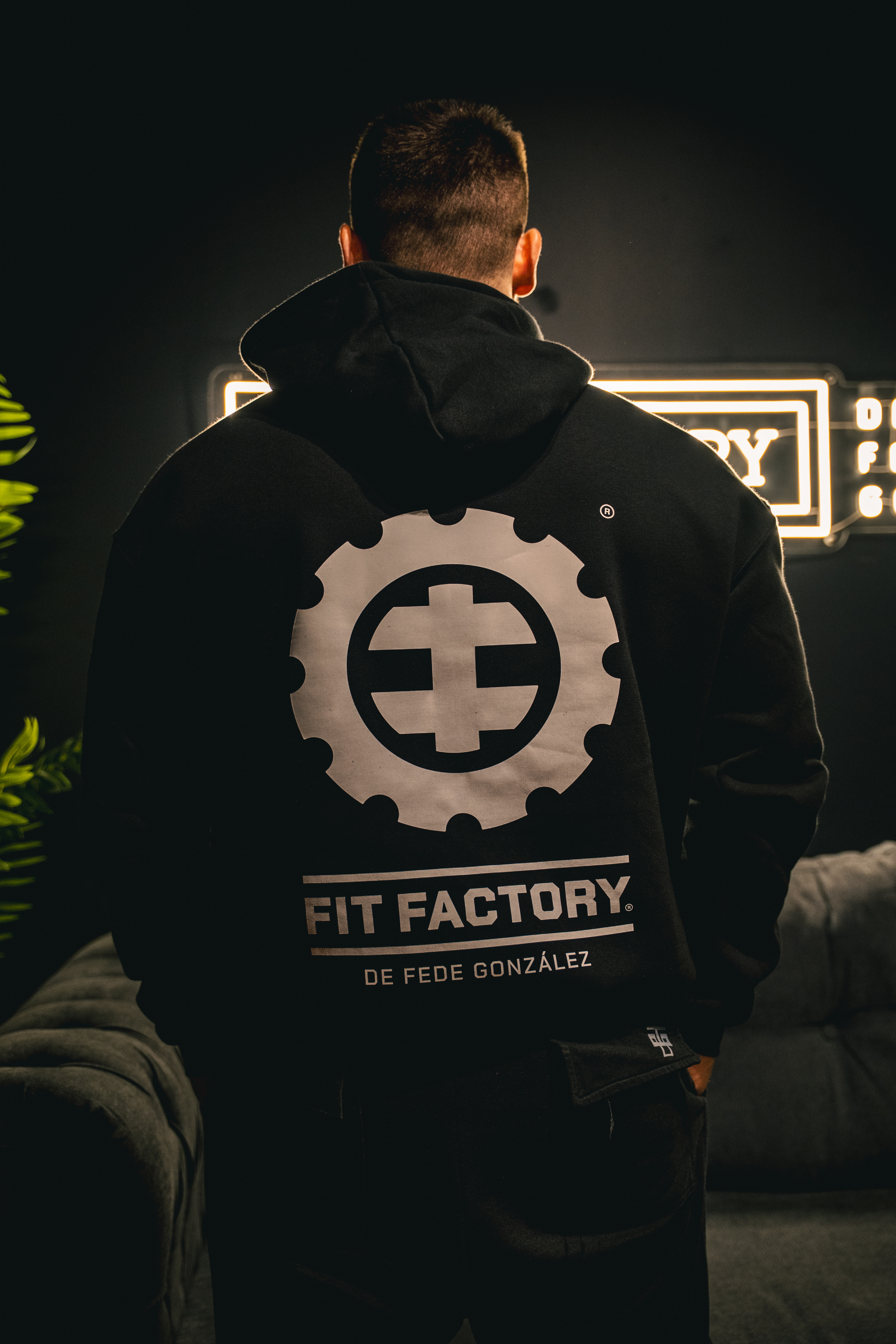
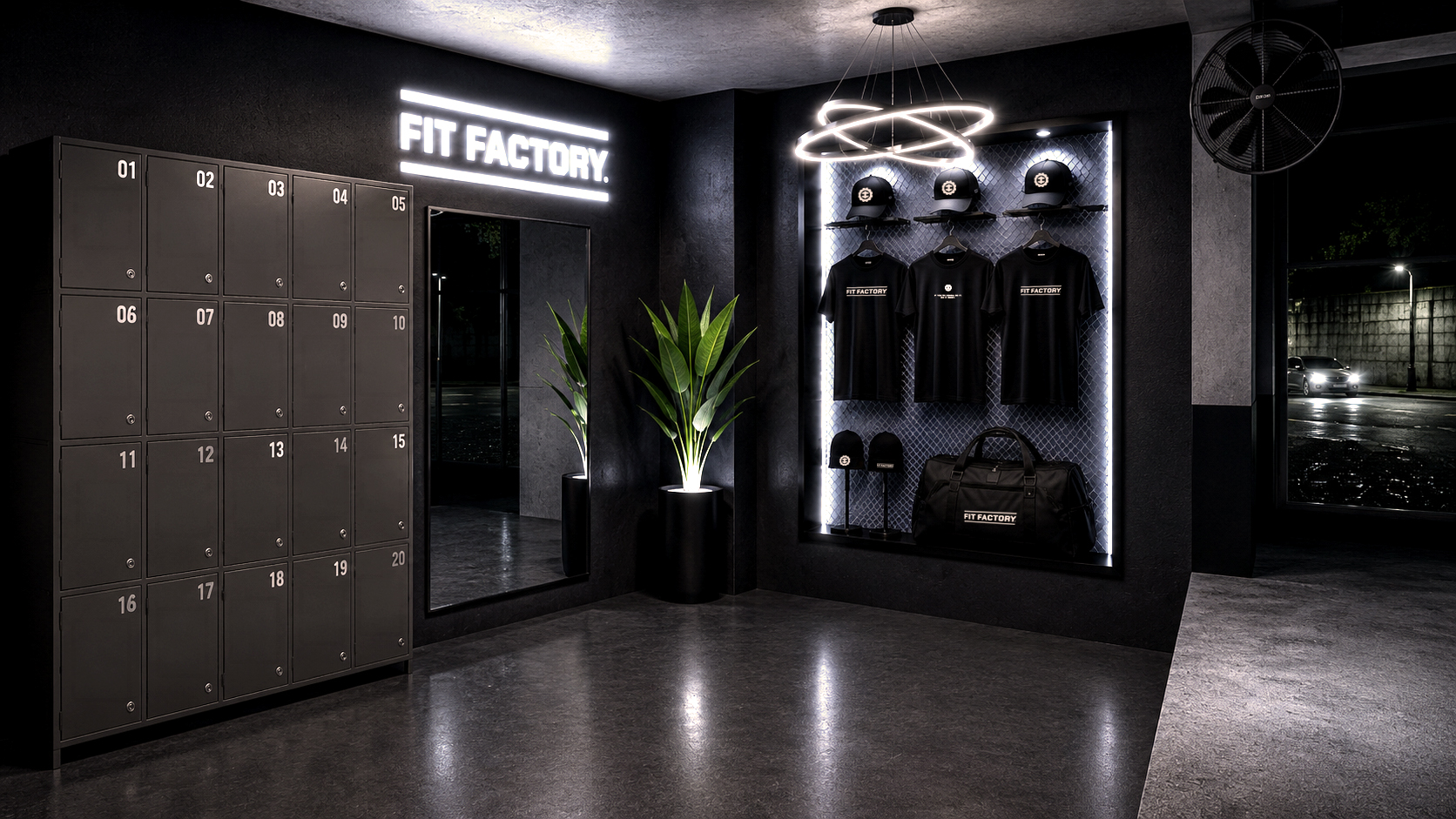
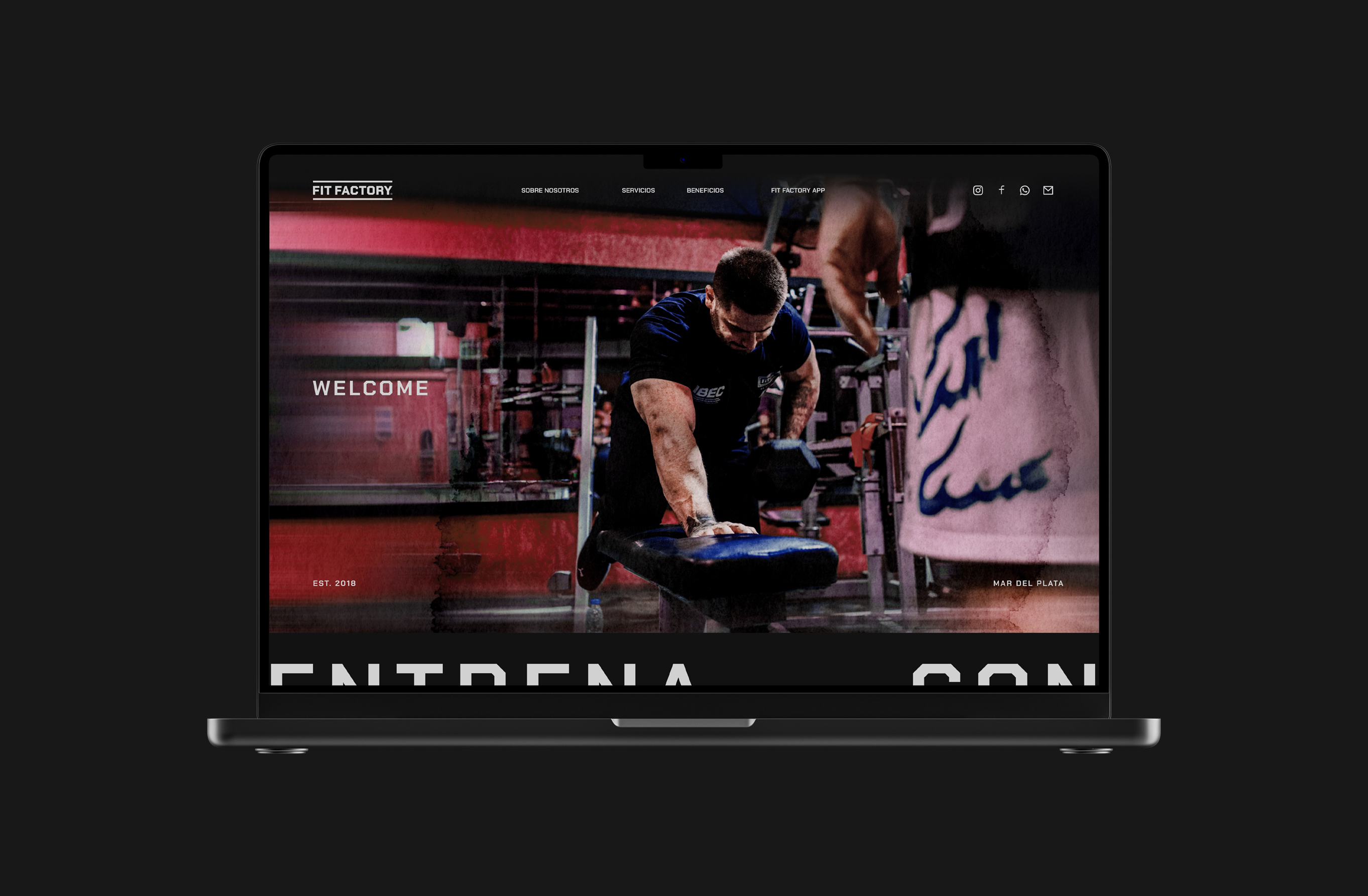
Transforming a gym into a complete fitness ecosystem.
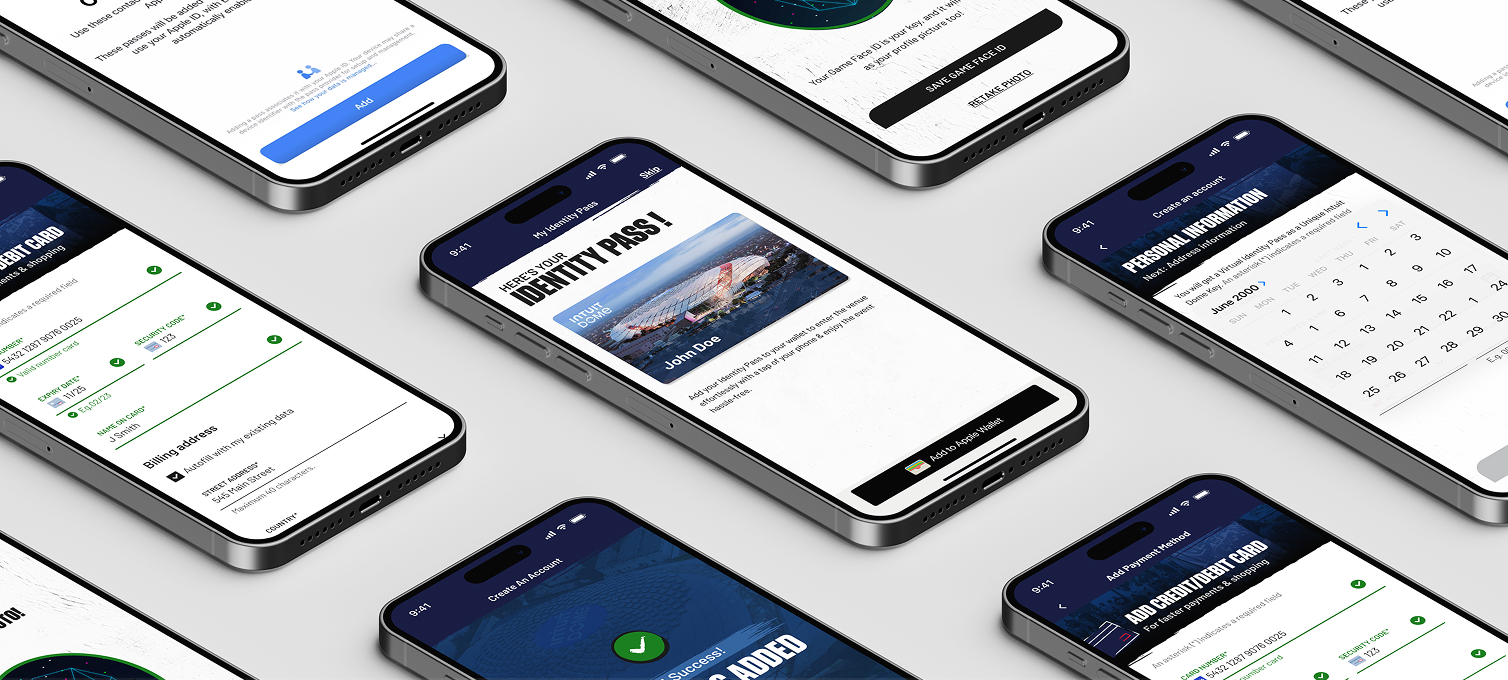
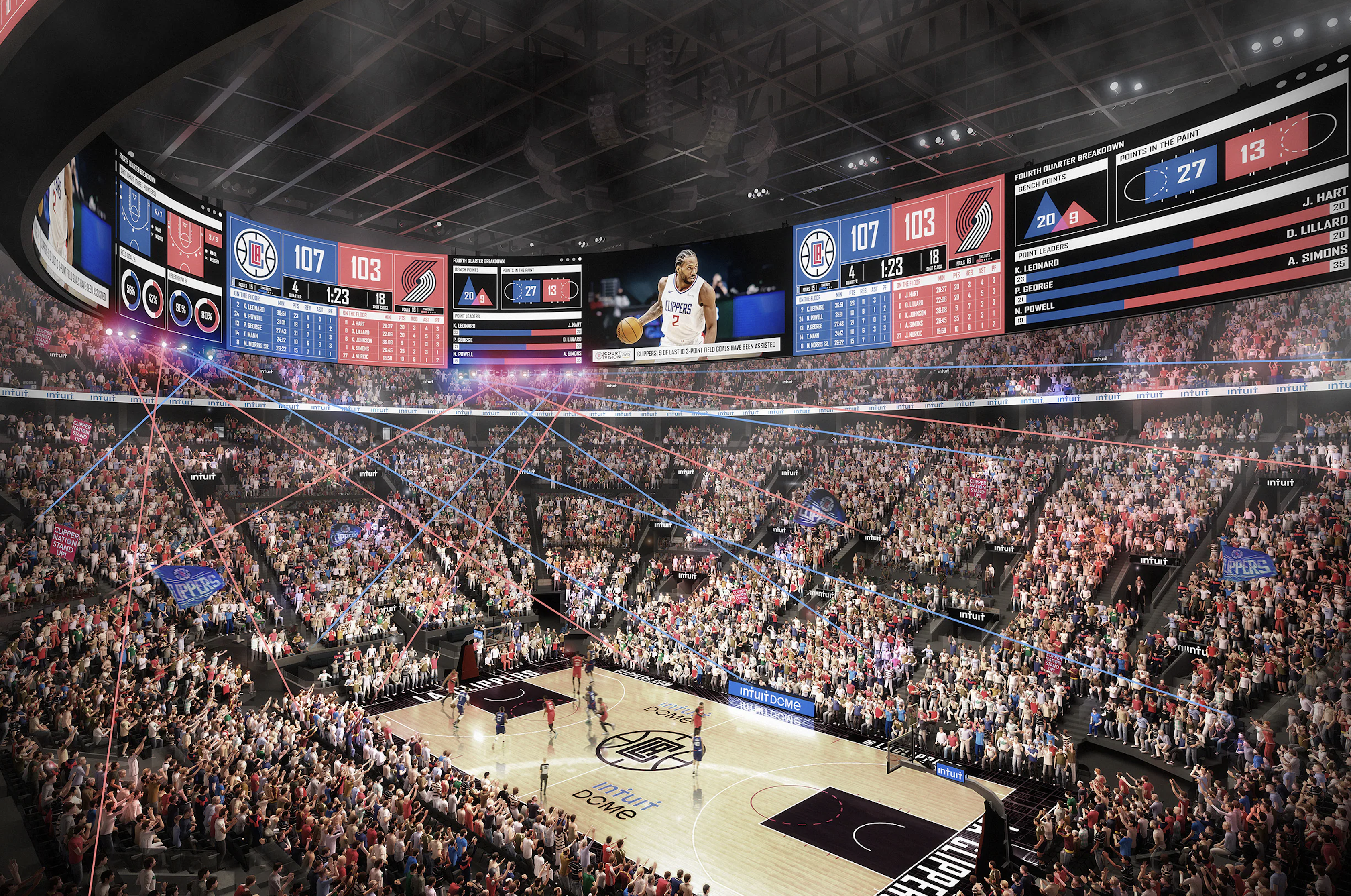
Creating a next-generation fan experience.
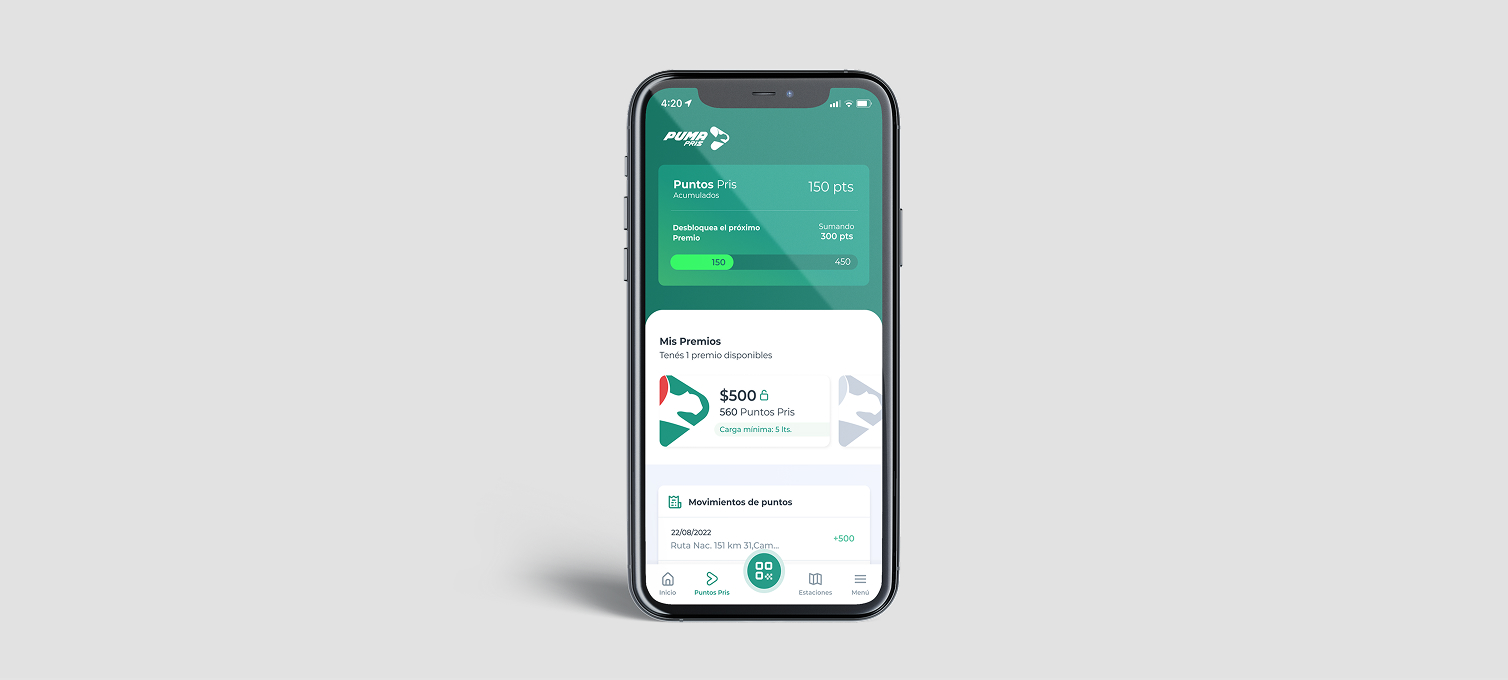
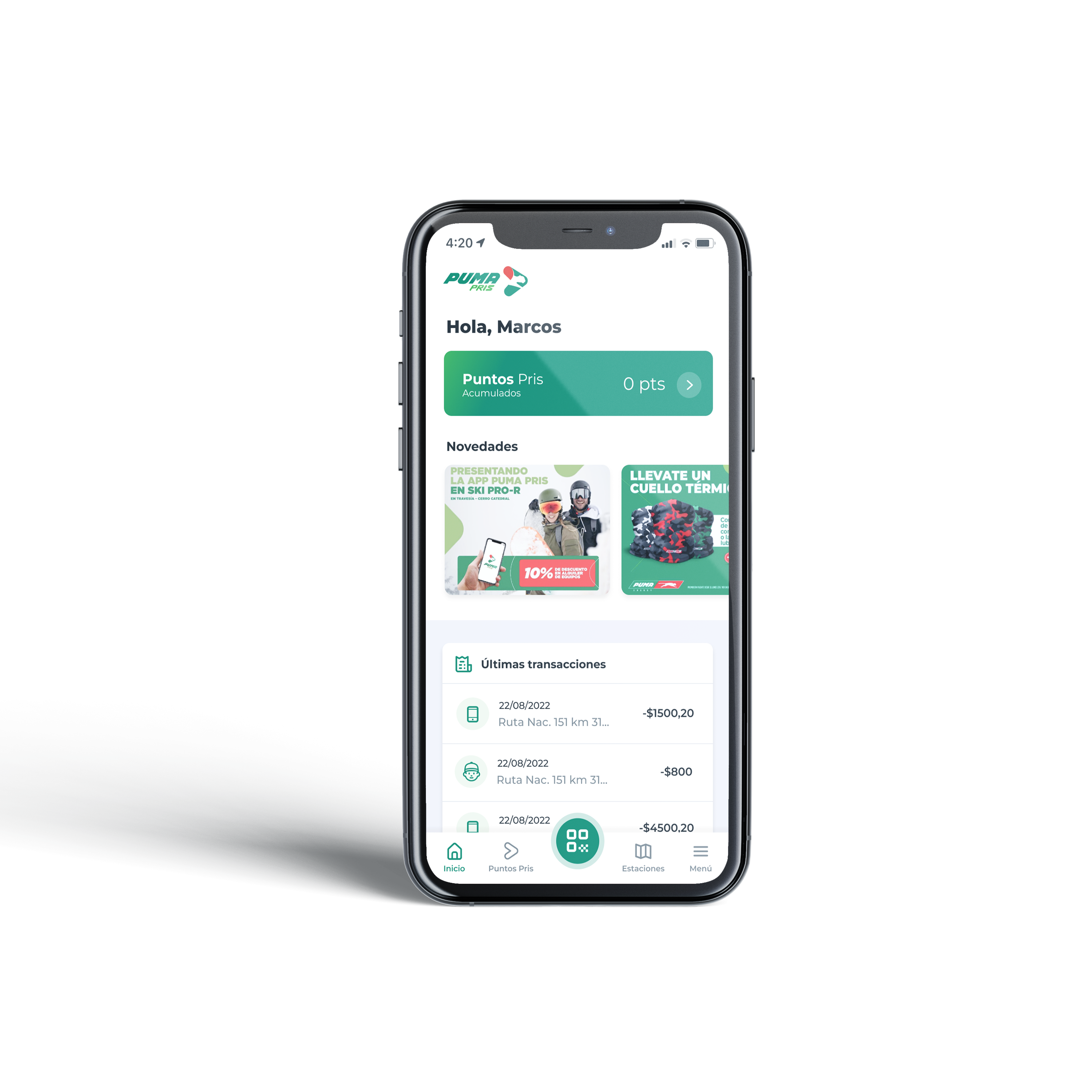
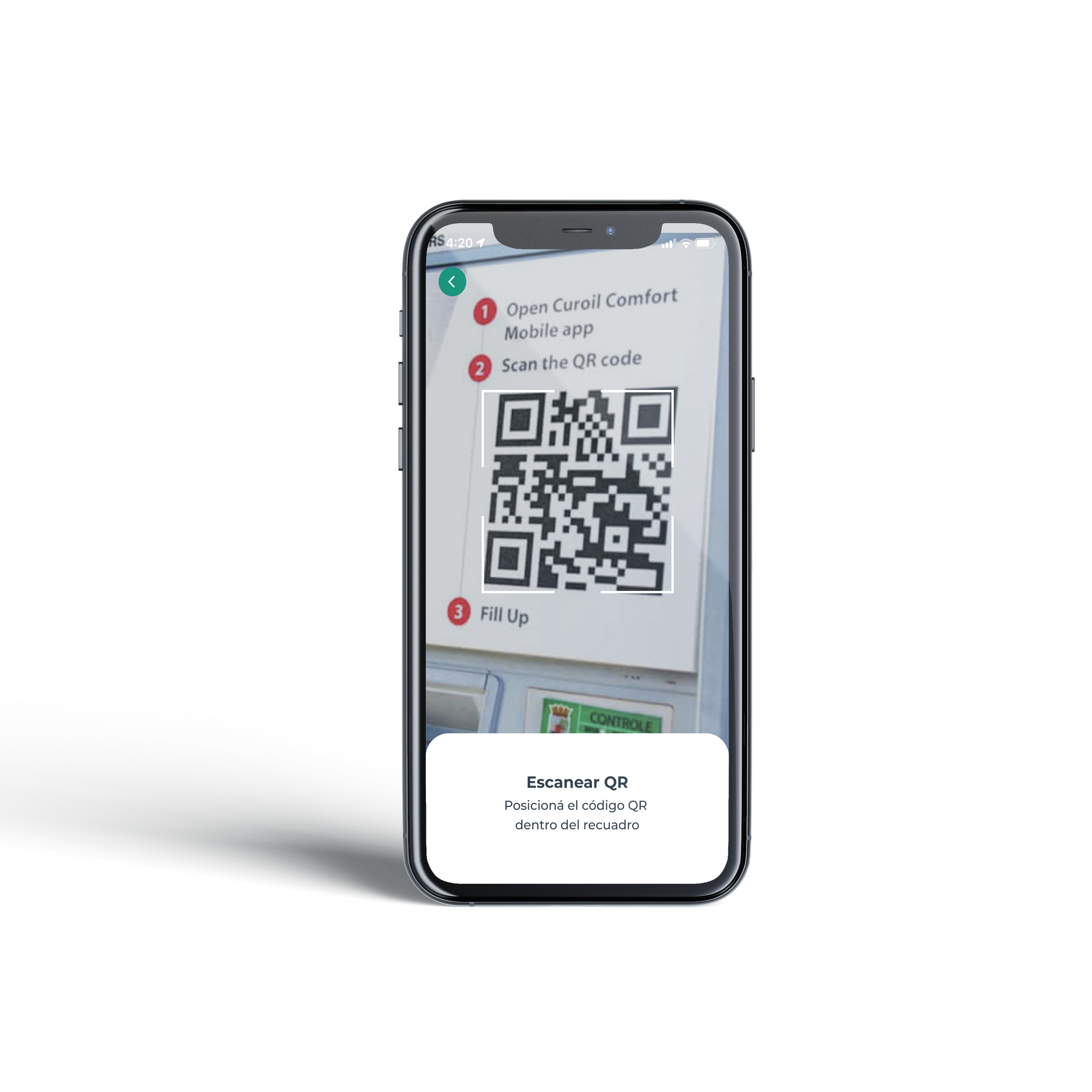
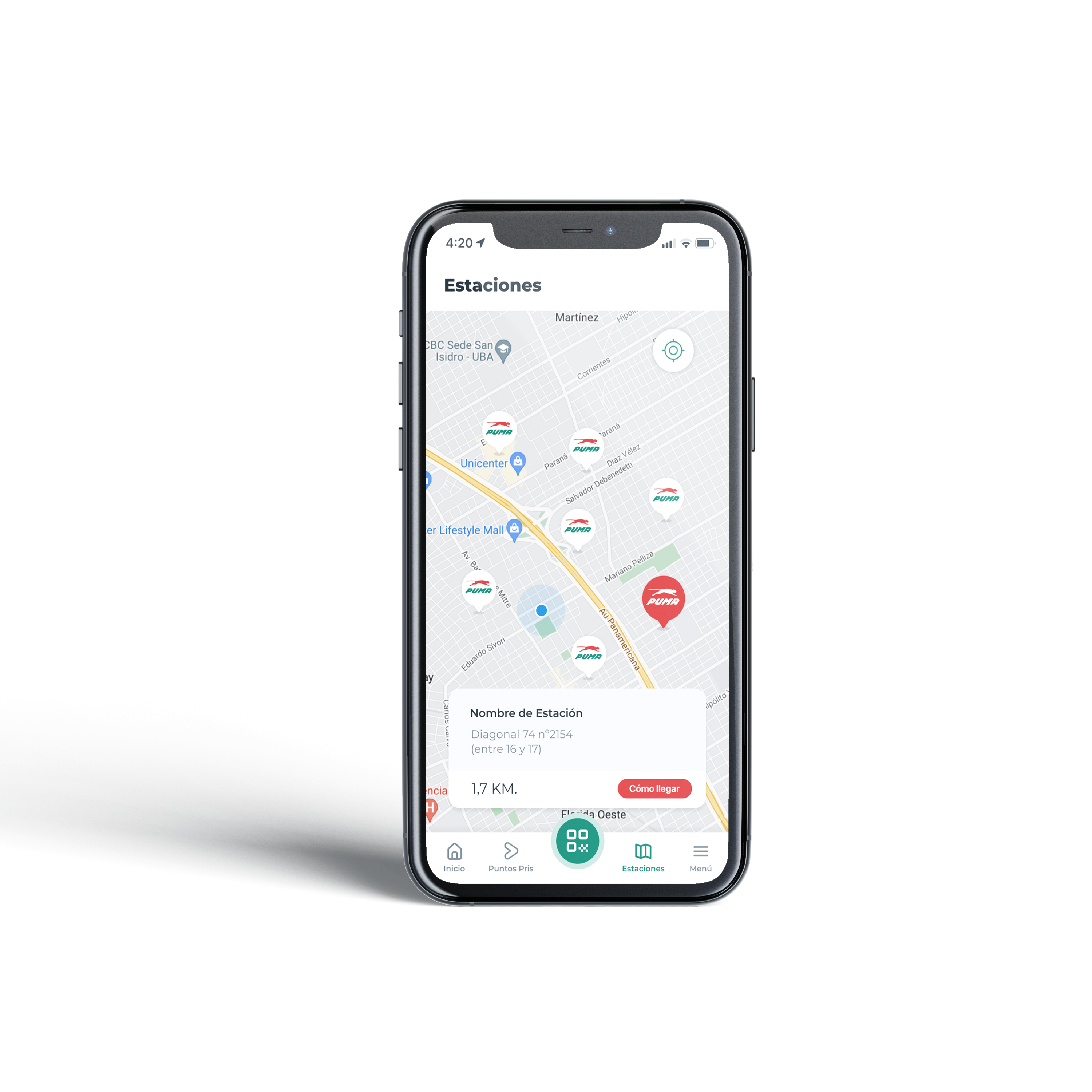
Redesigning the fuel and loyalty experience at Puma Energy's service stations.
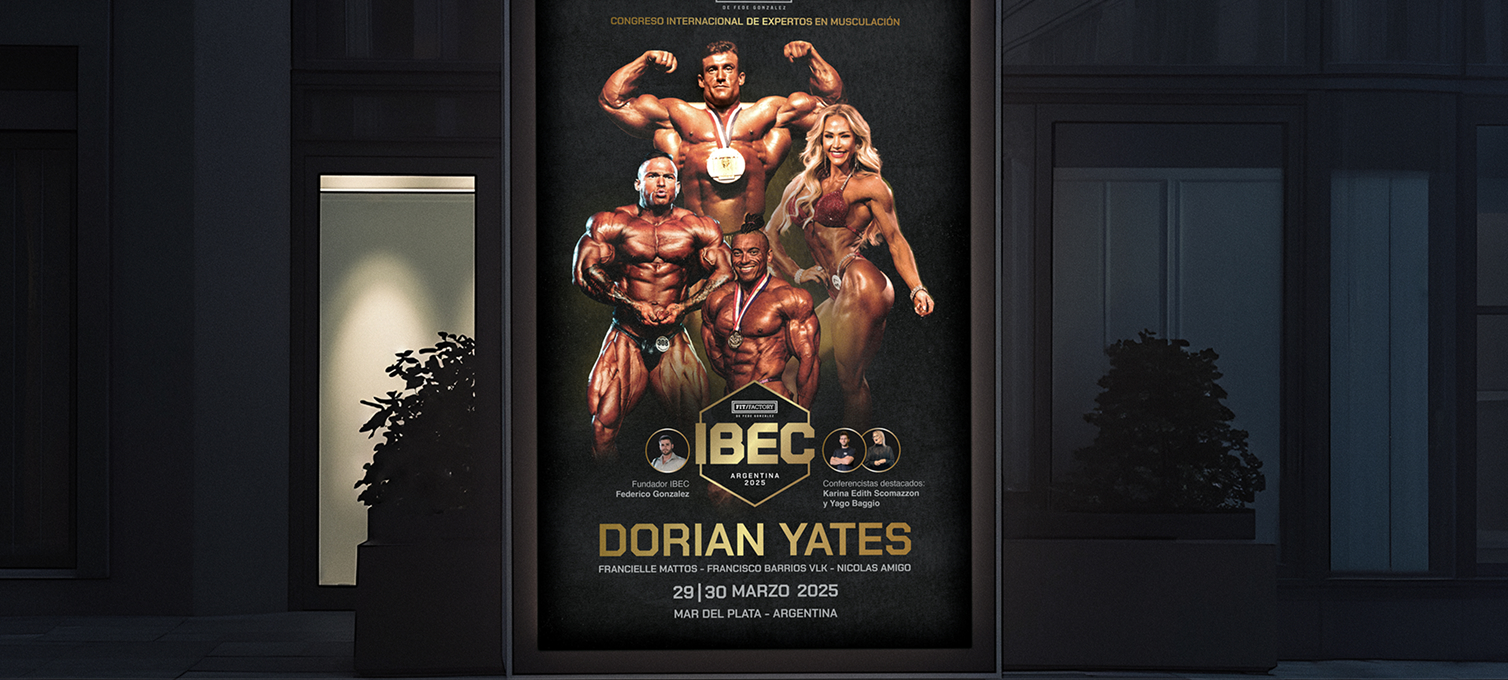
Building an integrated communication ecosystem.
Redefining the essential collection for modern athletes.

Creating trust through a stronger brand system.

Building belonging through football culture.
Digital products, UX strategy, design systems, platform thinking and product leadership.
Identity design, positioning, communication frameworks and visual ecosystems.
Physical environments, retail spaces and service experiences.
Every project starts with deep research . I spend time understanding the real problem before proposing solutions — mapping user behaviors, identifying pain points and uncovering the gaps between what exists and what's needed.
I work closely with business metrics and goals. Understanding how a company grows, retains users and generates value allows me to create design strategies aligned with measurable outcomes and long-term loyalty.
Good design disappears. I focus on experiences that feel intuitive and reduce friction — from the logic of information architecture to the detail of micro-interactions that make a product feel alive.

I work across product, brand and experience design, helping organizations align business goals, user needs and execution. My work spans startups, global brands, physical environments and digital platforms.
From leading product strategy in technology companies to building immersive brand experiences, I focus on creating systems that generate measurable impact while delivering meaningful experiences for people.
Available for product leadership, design strategy and selected collaborations.
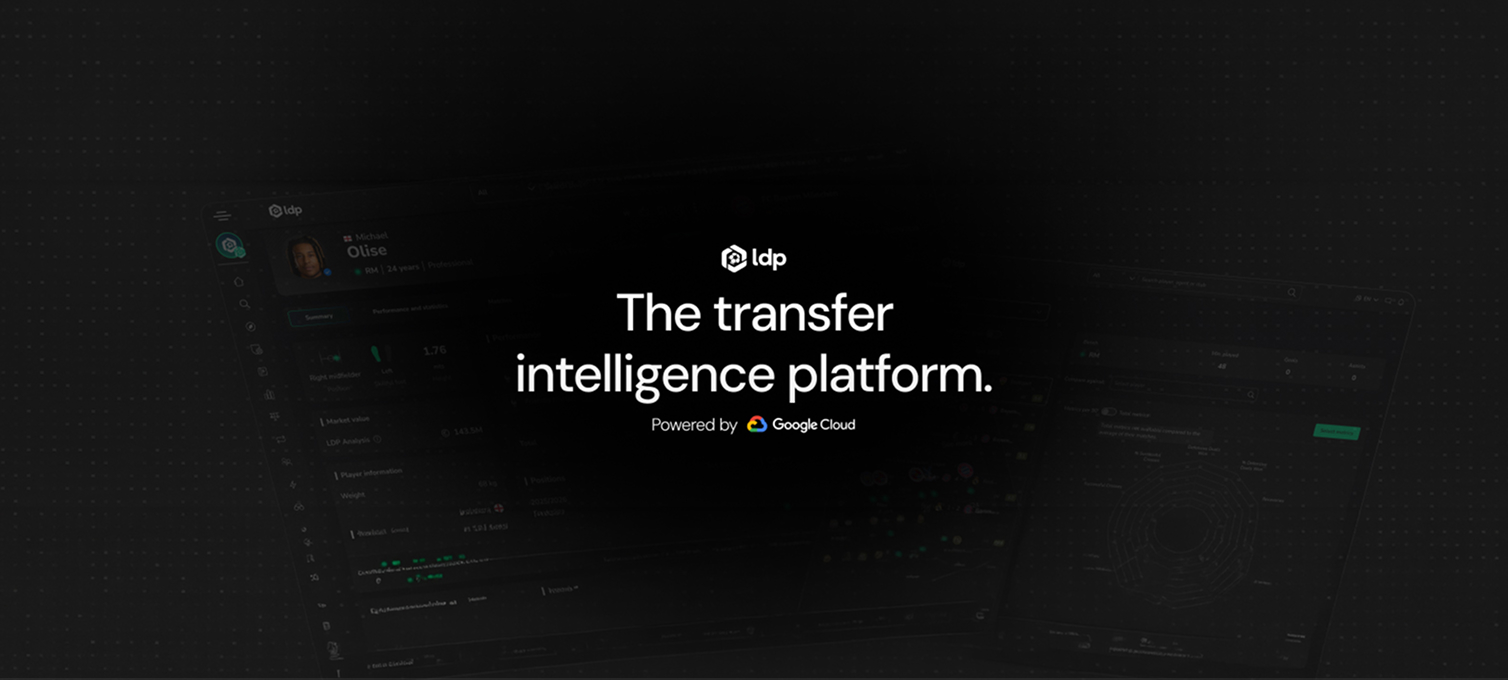
Get In TouchLDP Tech.ai is building a digital ecosystem that connects clubs, scouts, agents and players through data, collaboration and intelligent workflows. As Product Design Lead, I was responsible for shaping product vision, user experience strategy, design systems and cross-functional alignment across the organization.


Professional football transfers involve thousands of stakeholders exchanging critical information through disconnected systems and manual processes. LDP Tech.ai was created to centralize discovery, evaluation, communication and decision-making into a single scalable platform.
Helping define vision, priorities and long-term product direction.
Leading UX, UI and end-to-end product experience decisions.
Creating scalable foundations to support platform growth.
Aligning business goals, engineering teams and user needs.
How do you simplify one of the most complex ecosystems in professional football while creating trust between clubs, agents and players?
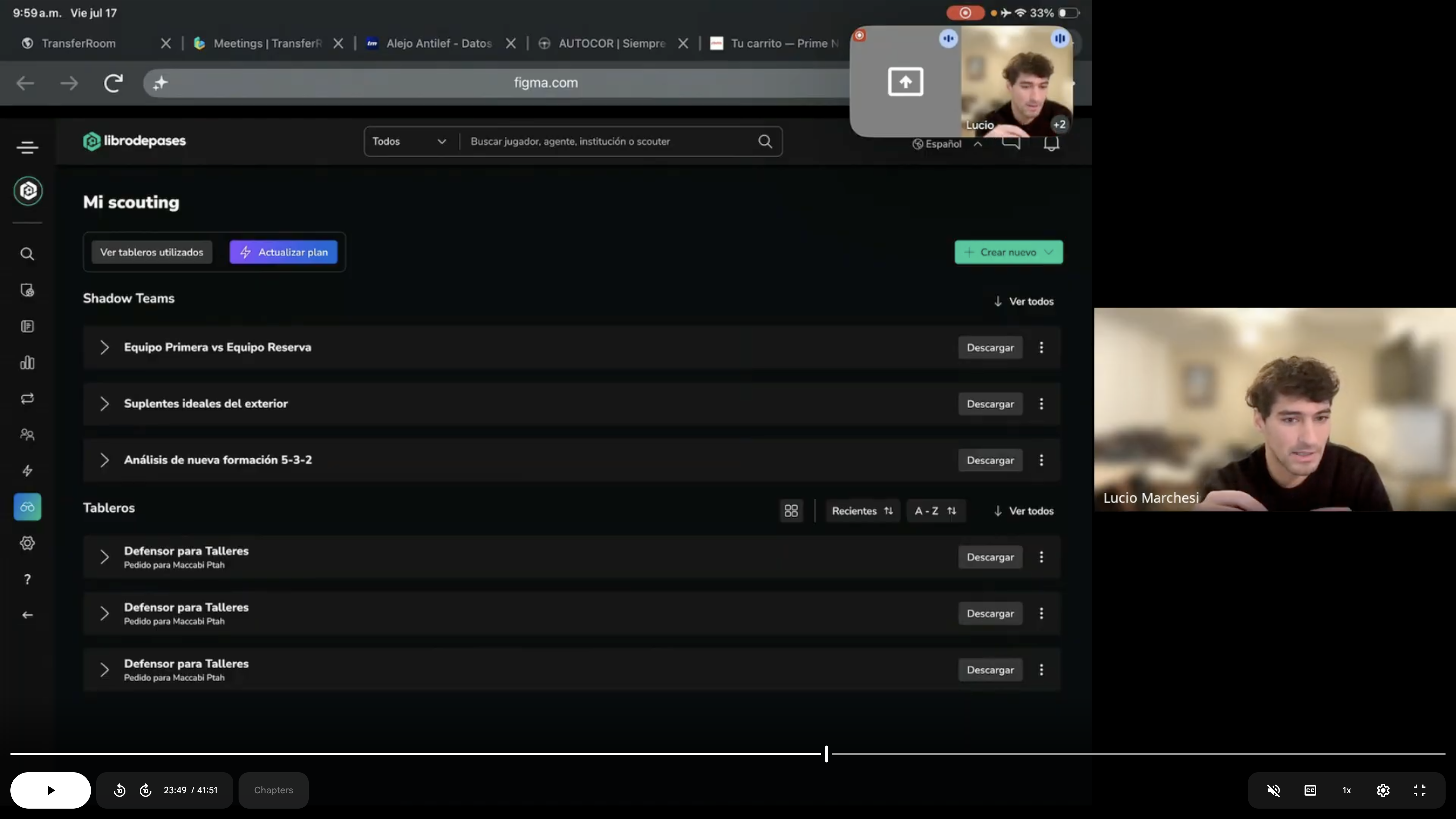
A full walkthrough of how we took a 1-vs-1 comparison tool and rebuilt it into a multi-entity scouting panel.
Shadow Teams is an interactive pitch view where clubs, agents and scouts position players by role, save named lineups and export the result. This session combined a client meeting, a user interview and a prototype test to validate the feature.


Unified product experience across multiple workflows and stakeholders.
Clearer product vision shared across founders, engineers and business teams.
Scalable design foundations supporting long-term platform evolution.
LDP Tech.ai reinforced my belief that product design becomes exponentially more valuable when it operates as a strategic business capability.
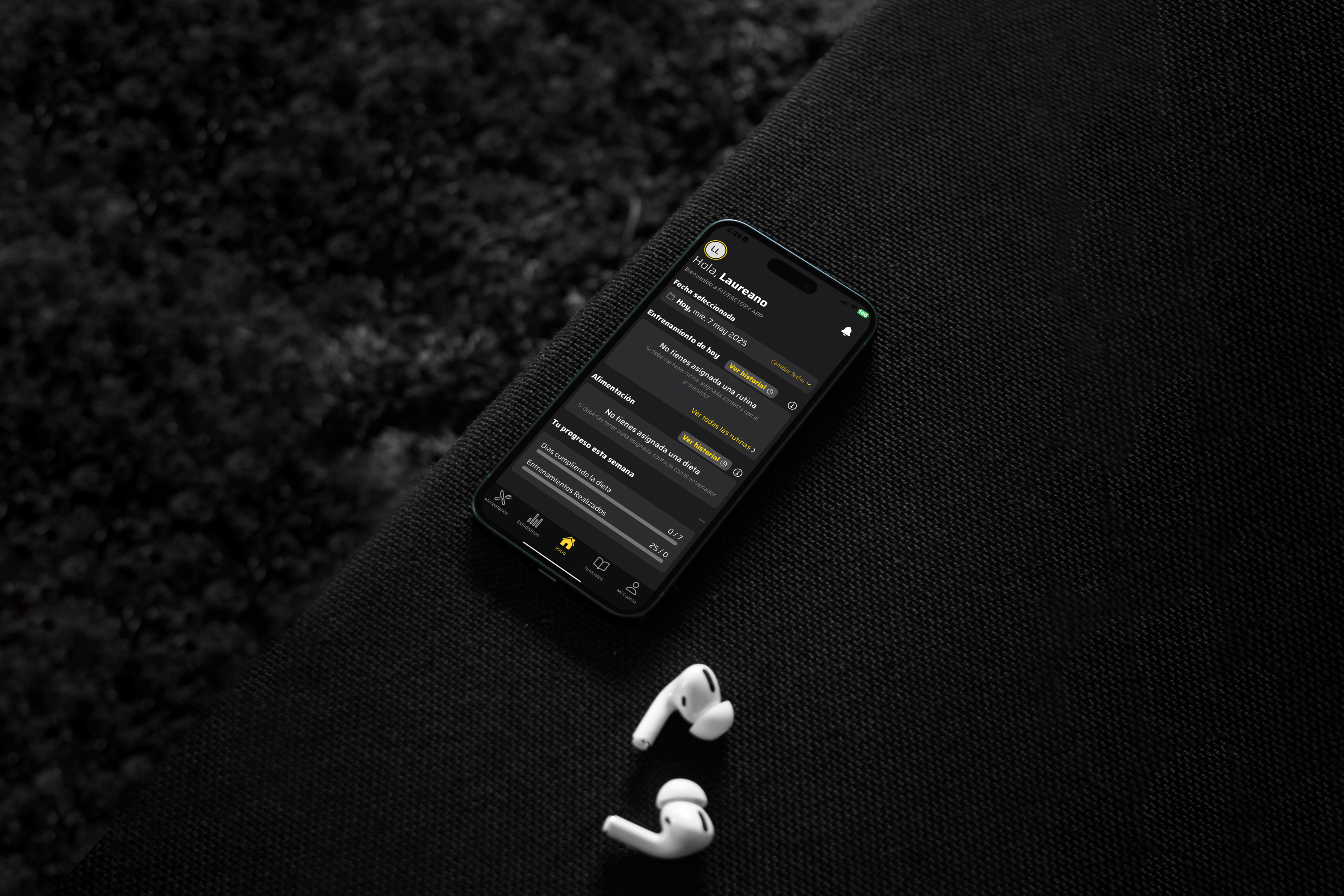
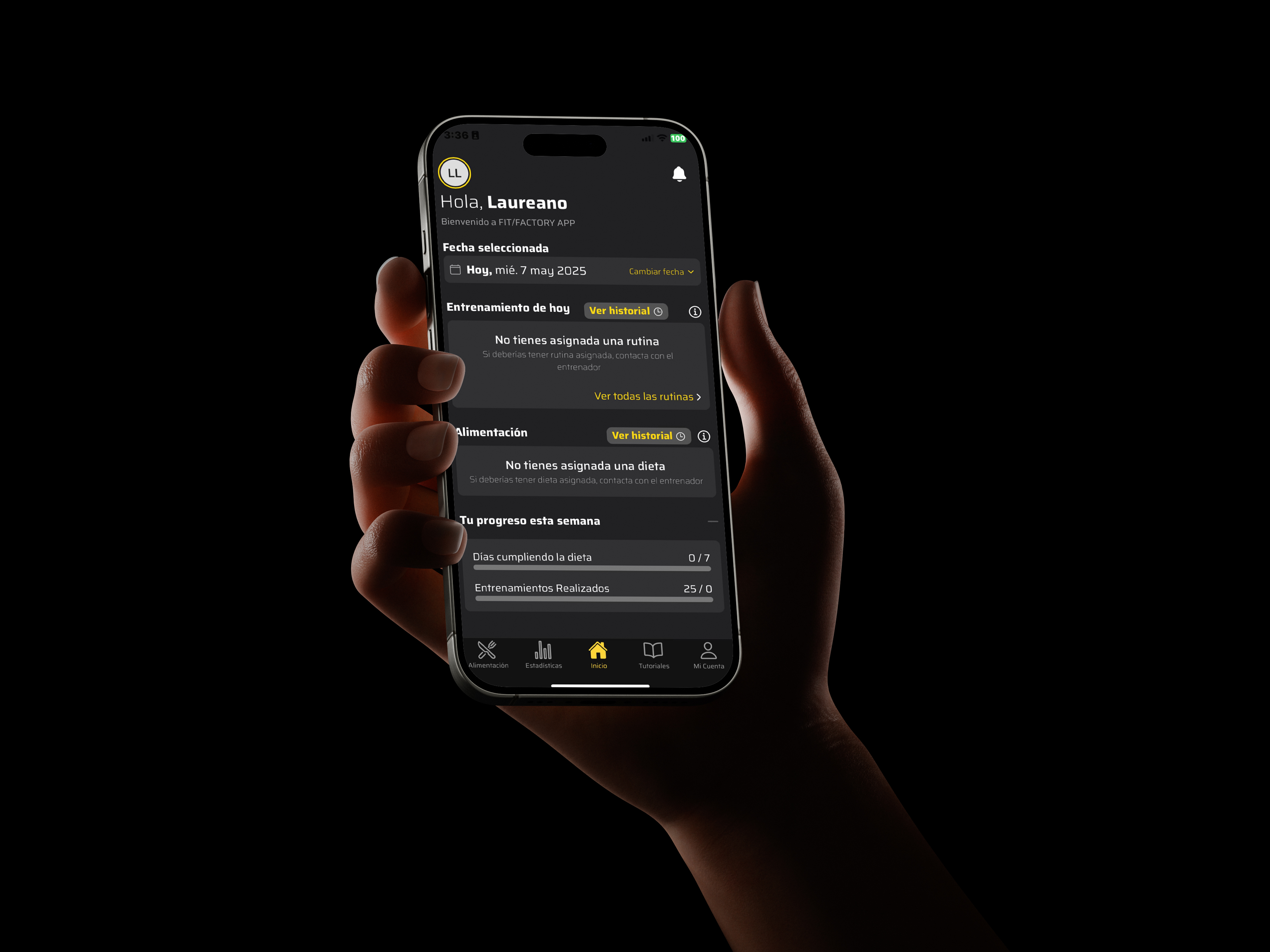
Fit Factory evolved from a traditional gym into a connected fitness ecosystem.


The challenge was to align every customer touchpoint under a single vision.
Positioning, visual identity and communication system.
Interior design, signage and customer journey.
App experience, memberships and digital services.
Merchandise, engagement initiatives and loyalty.
How do you create a consistent fitness experience when the brand, space, products and services evolve independently?


Unified brand experience across all touchpoints.
Clearer positioning and stronger differentiation.
Scalable foundation for future growth.
Fit Factory demonstrated how strategy, branding, product design and environmental design can work together.
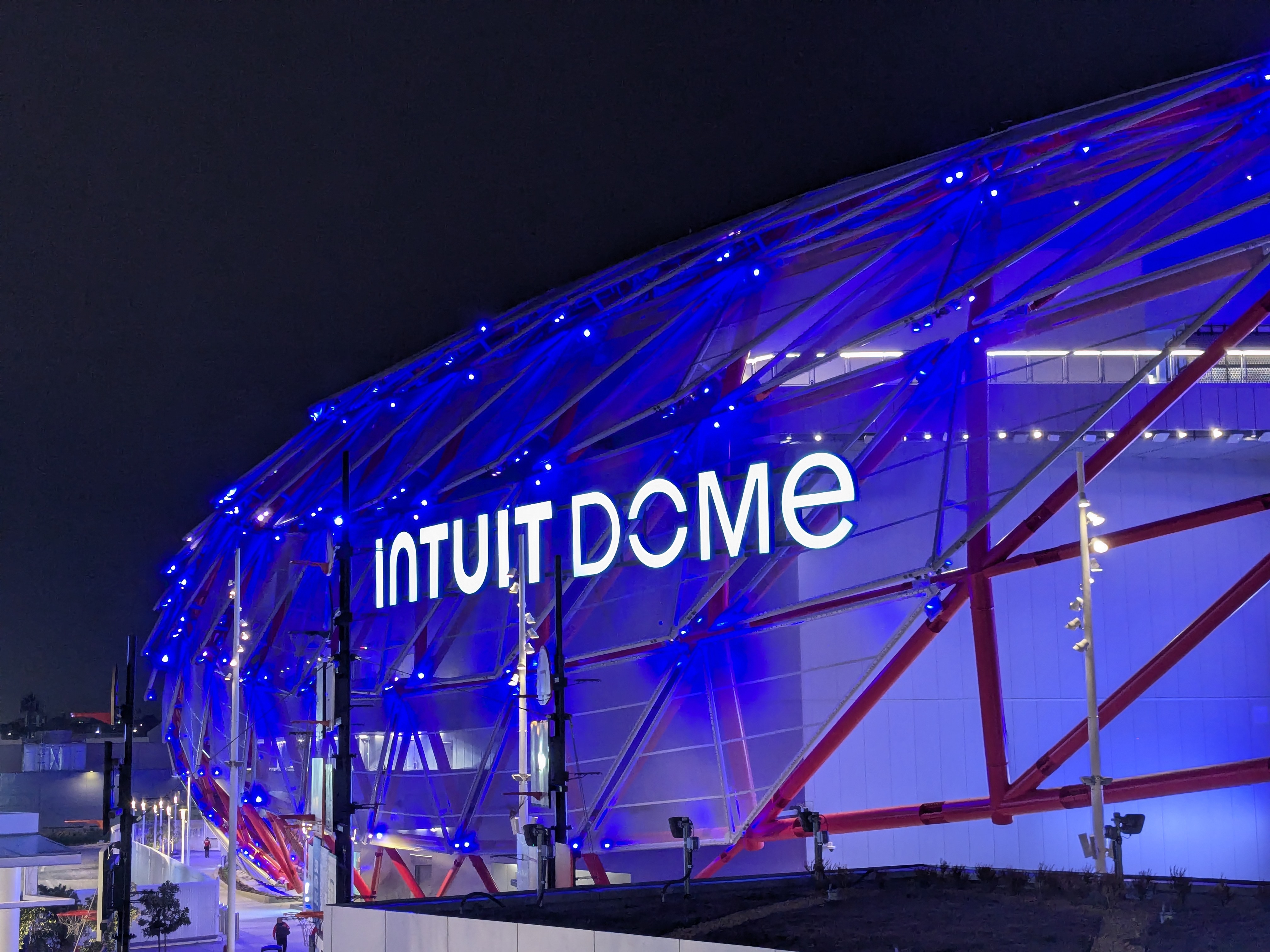
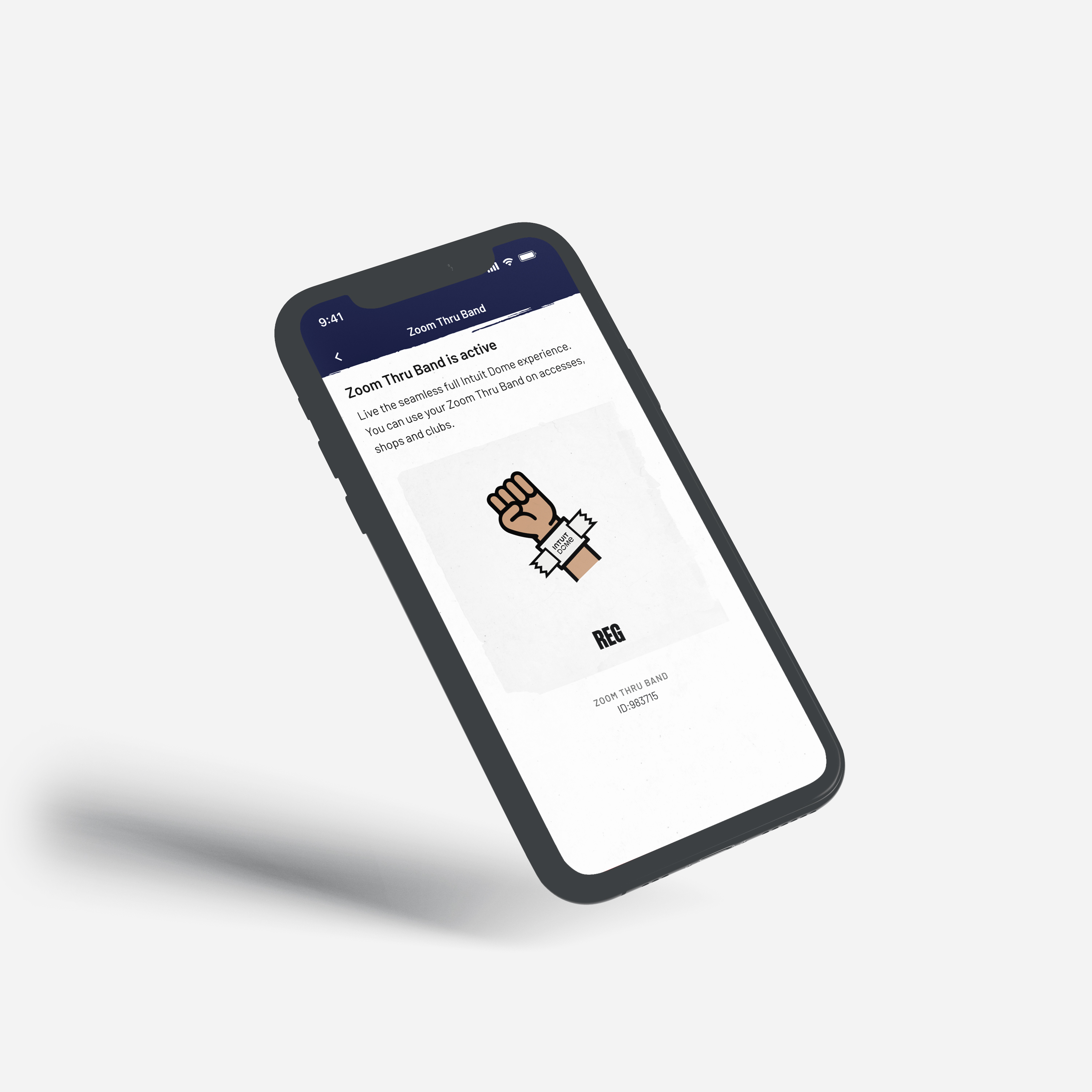
The challenge: design and build a best-in-class user experience for the new Intuit Dome, using high-end technology to redefine Smart Venue standards.


The vision of building a unique, state-of-the-art stadium focuses on the Smart Venue concept — integrating 360° screens, augmented reality and smart seating to maximize audience interaction.
On-site research during 3 basketball games and 2 concerts, with 20+ fan interviews.
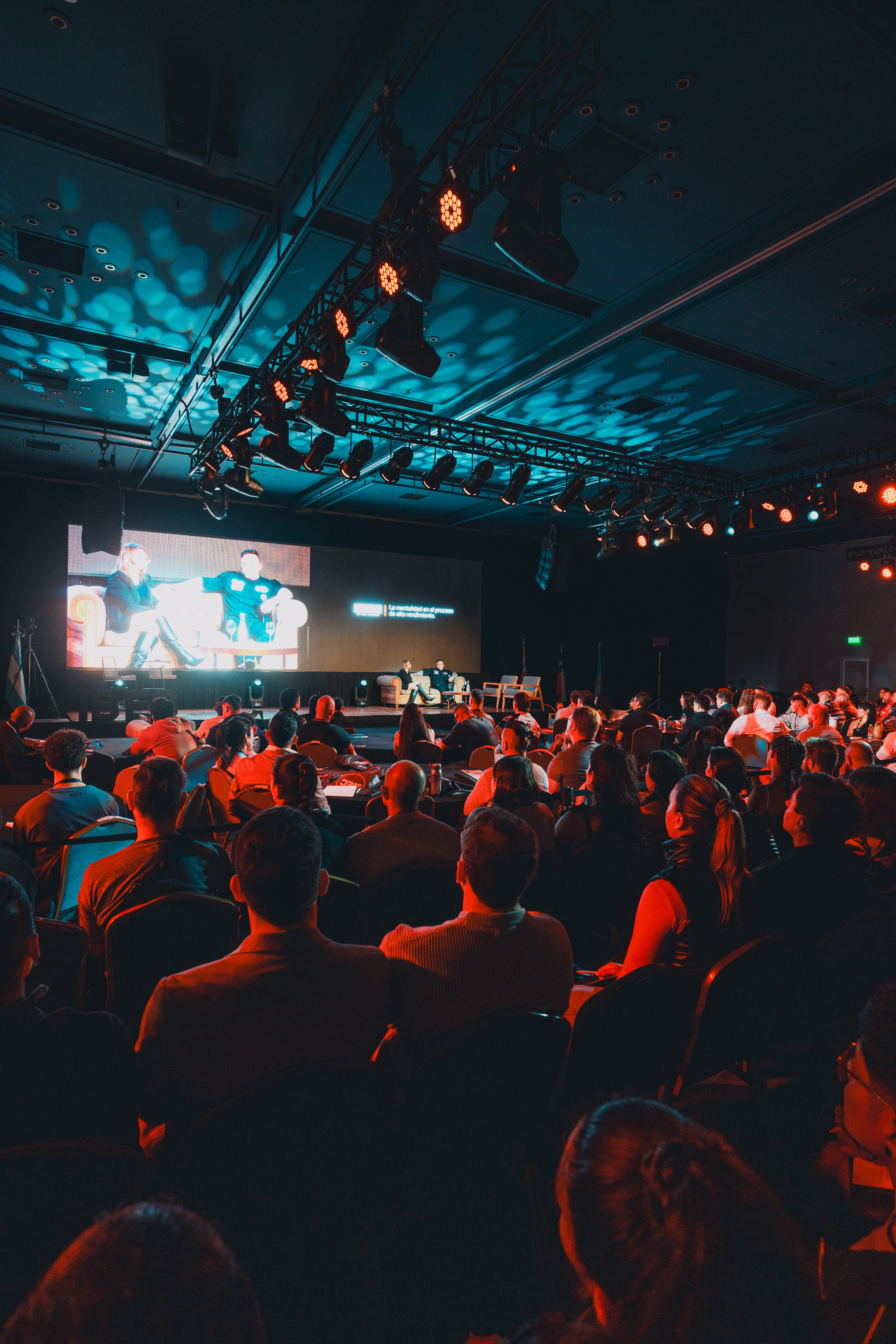
4 ideation workshops with LA Clippers stakeholders to align on business goals and vision.
14 staff interviews and shadowing sessions across the venue.
Service Design, Tech, Product and Data teams collaborated to deliver the full ecosystem.
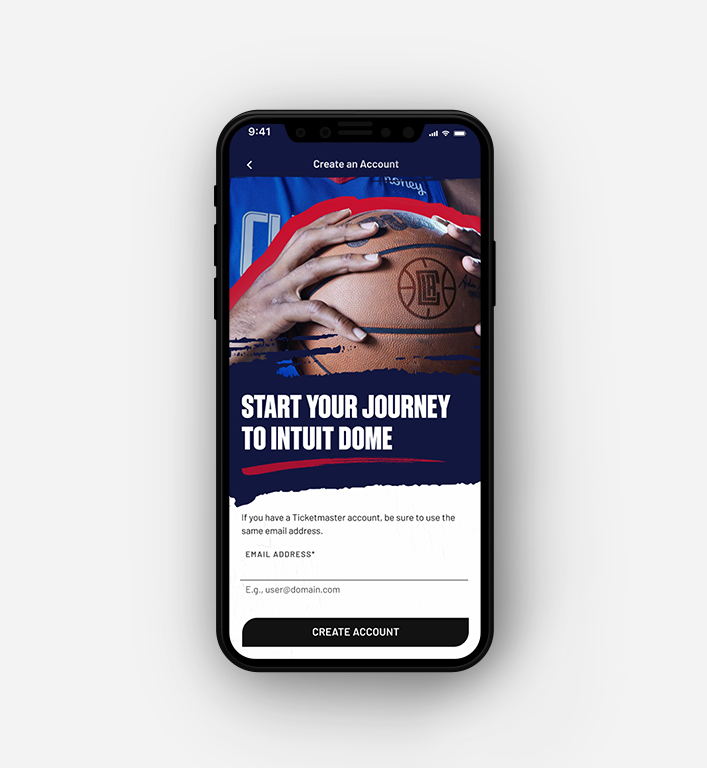
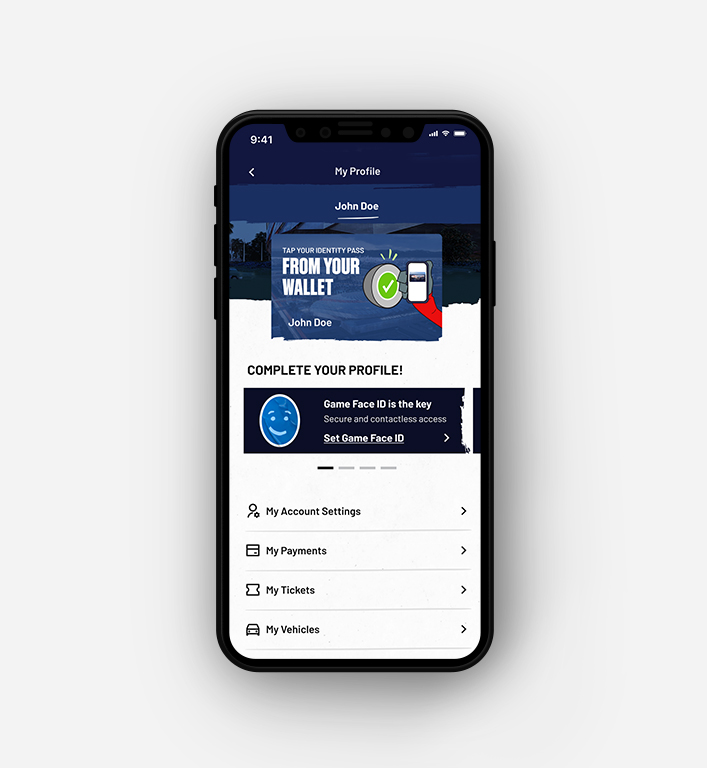
A centralized authentication system to have one single view of a fan's engagement across digital and physical channels.
— Fan Identity, product principle
From At Home to Post-Event, every touchpoint was mapped end-to-end — fan identity, access control, payments, frictionless commerce and in-suite experience.


Features delivered for launch, built by +500 Globers.
Technology and experience partners involved in the ecosystem.
Mobile apps shipped — one for fans, one for staff — plus access devices, an IoT platform and two websites.
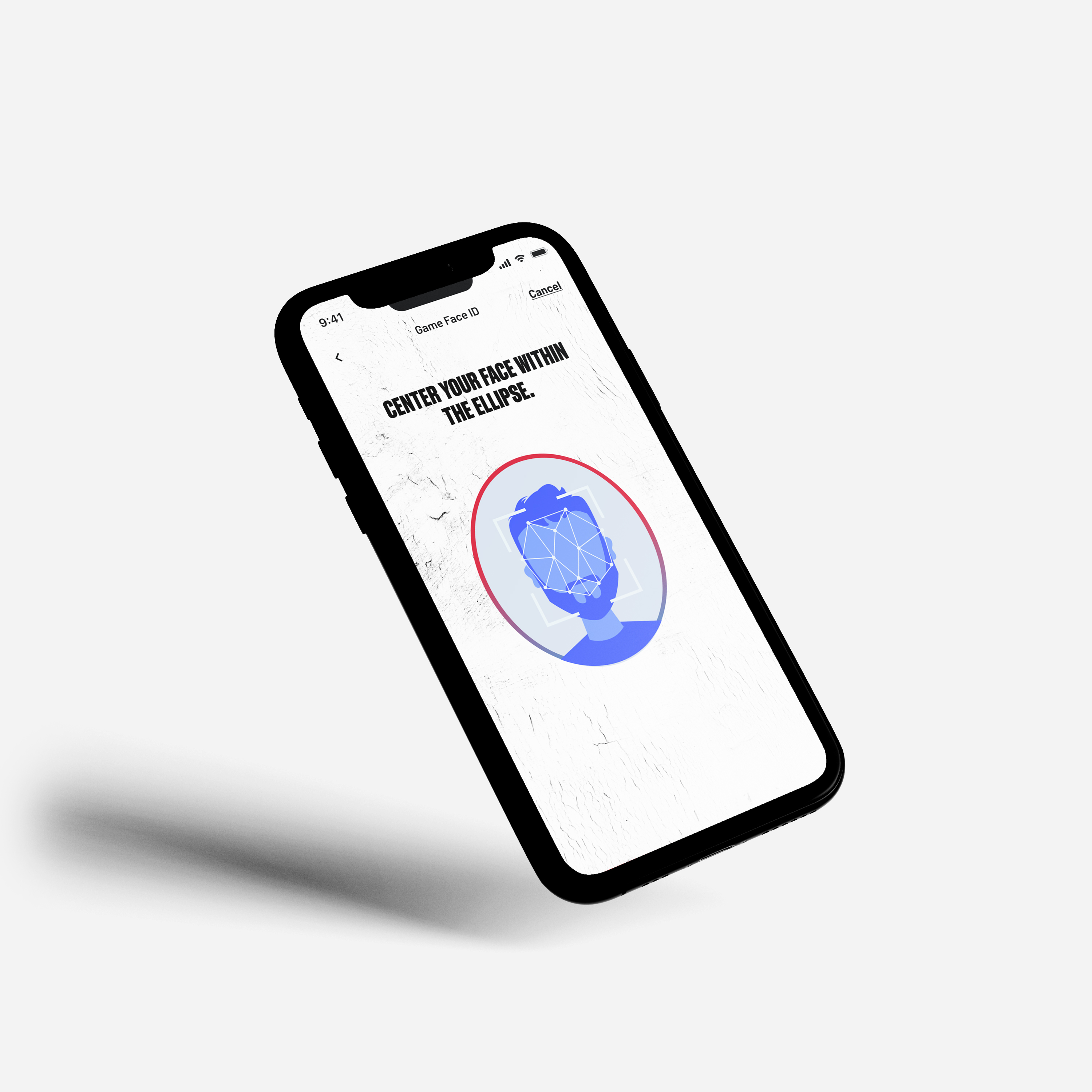
Game Face ID — facial recognition for access, payments and age verification — shows how Intuit Dome removes friction from the fan journey.
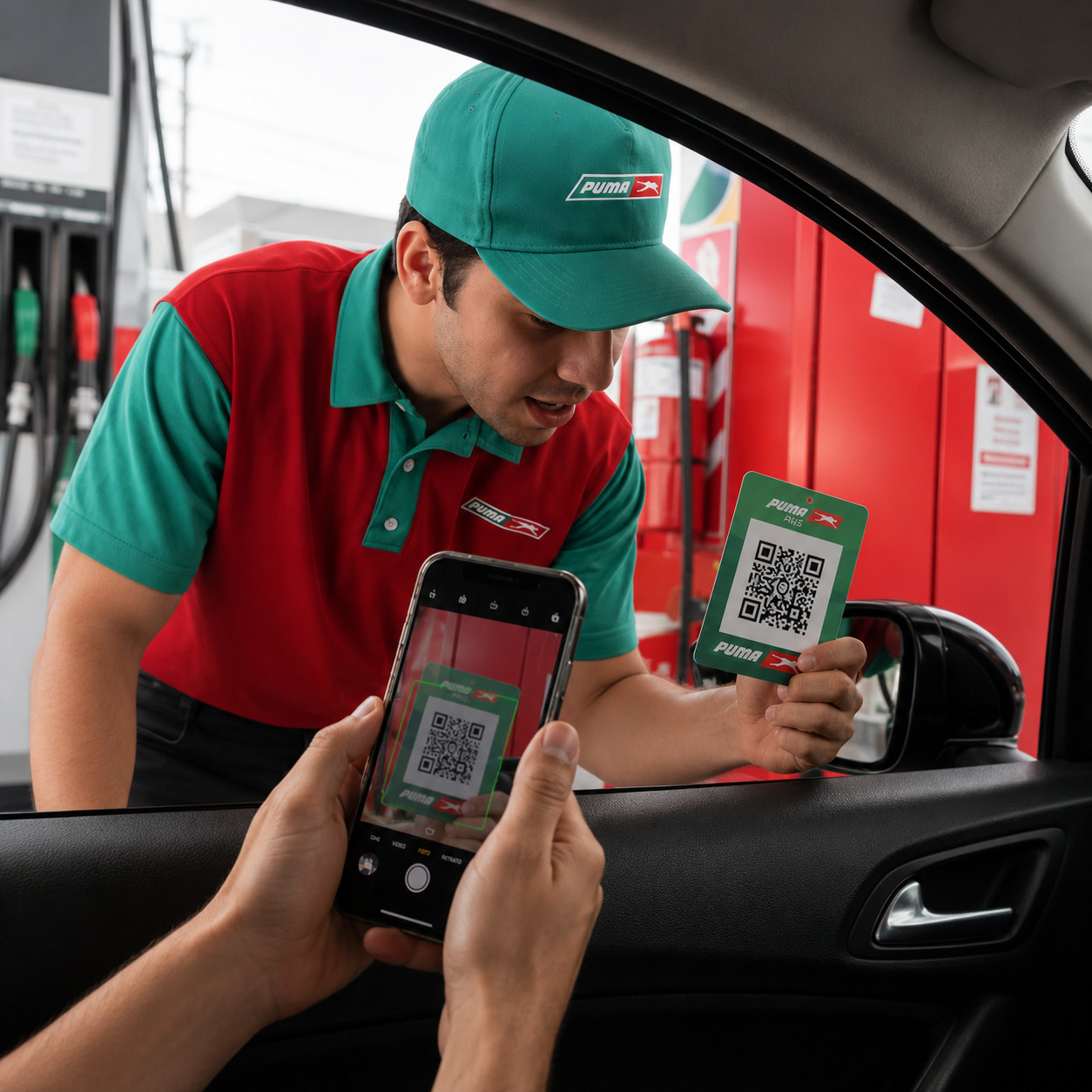
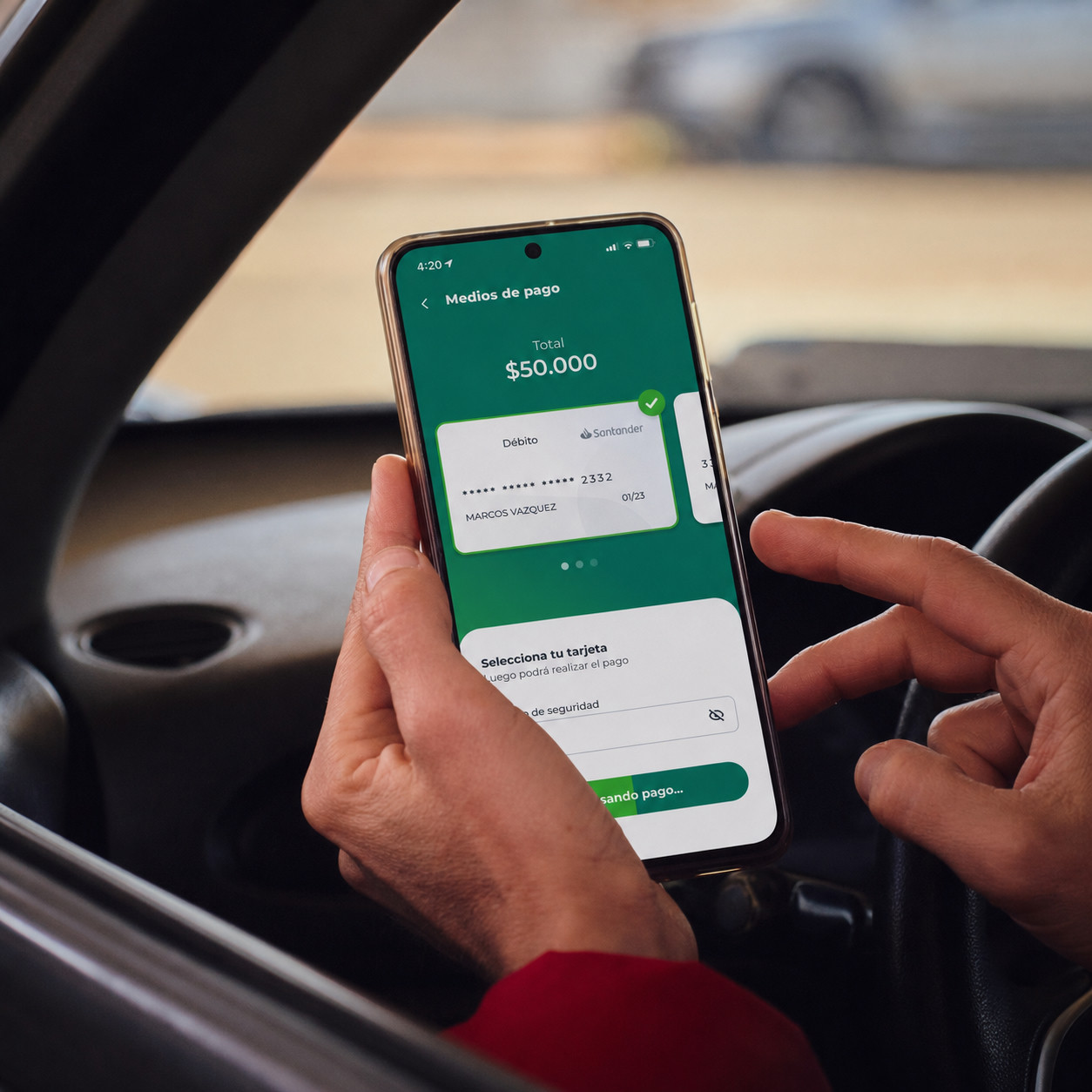
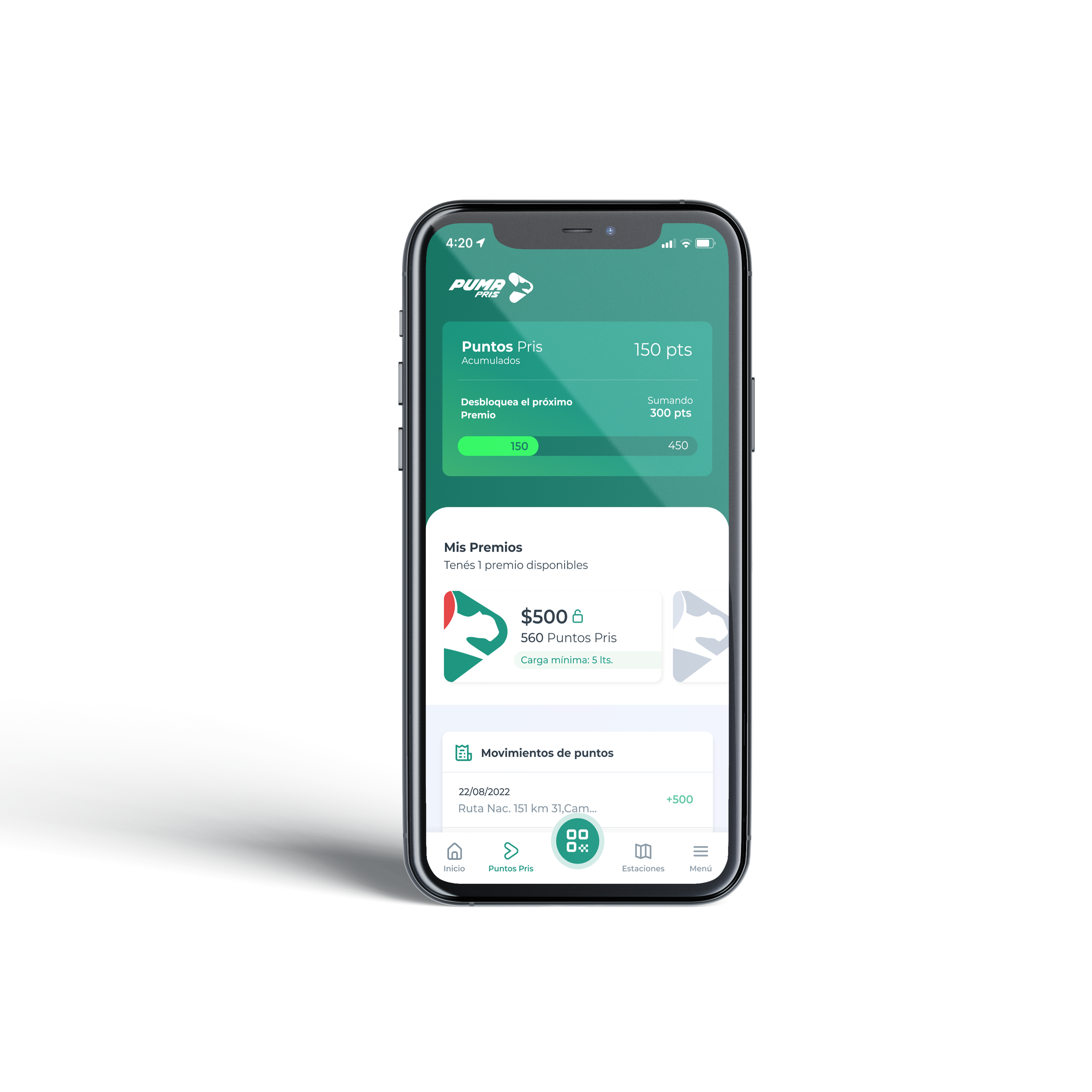
As digital transformation accelerates across industries, Puma Energy identified a strategic opportunity to elevate the customer experience at its service stations through a unified mobile app.
View full case study


Customers often experienced friction during the payment process — long lines, reliance on physical cards, and a lack of integration between payment and loyalty systems.
Increase user engagement by providing a seamless and rewarding digital experience.
Build long-term customer loyalty by integrating payment, rewards, and purchasing into a single ecosystem.
We adopted an agile methodology to ensure collaboration, flexibility, and rapid iteration, working closely with business stakeholders and the iOS/Android teams across multiple design sprints.
Define scope and priorities for the upcoming sprint.
Short daily sync to align progress and unblock the team.
Present what shipped and gather feedback from stakeholders.
Reflect as a team and refine the process for the next cycle.
The redesign was grounded in a deep understanding of user needs, motivations, and daily behaviors — reducing cognitive load and prioritizing clarity.


Every visual decision was designed to reinforce clarity, trust, and simplicity — enhancing speed and giving users greater control over their transactions and rewards.
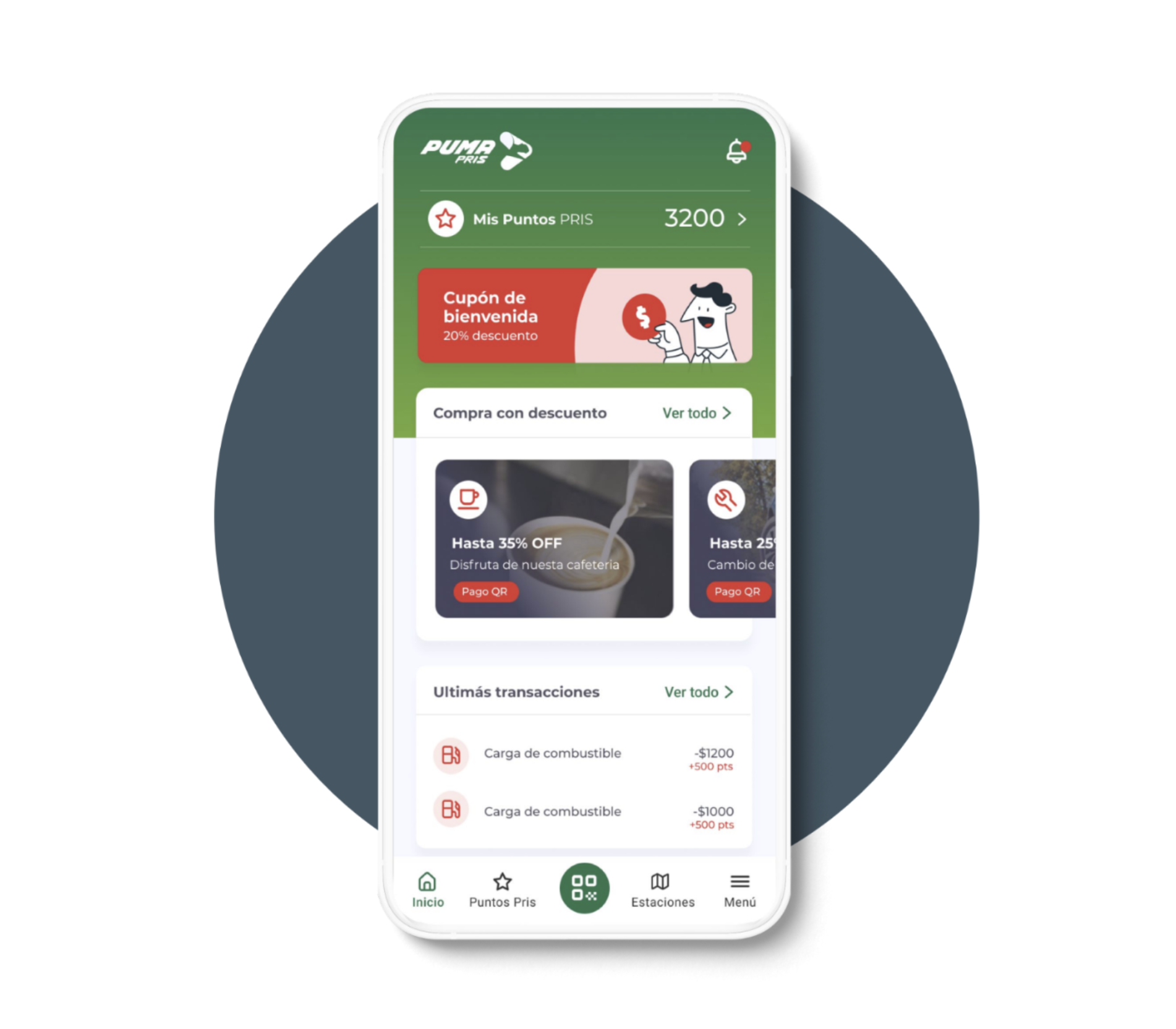
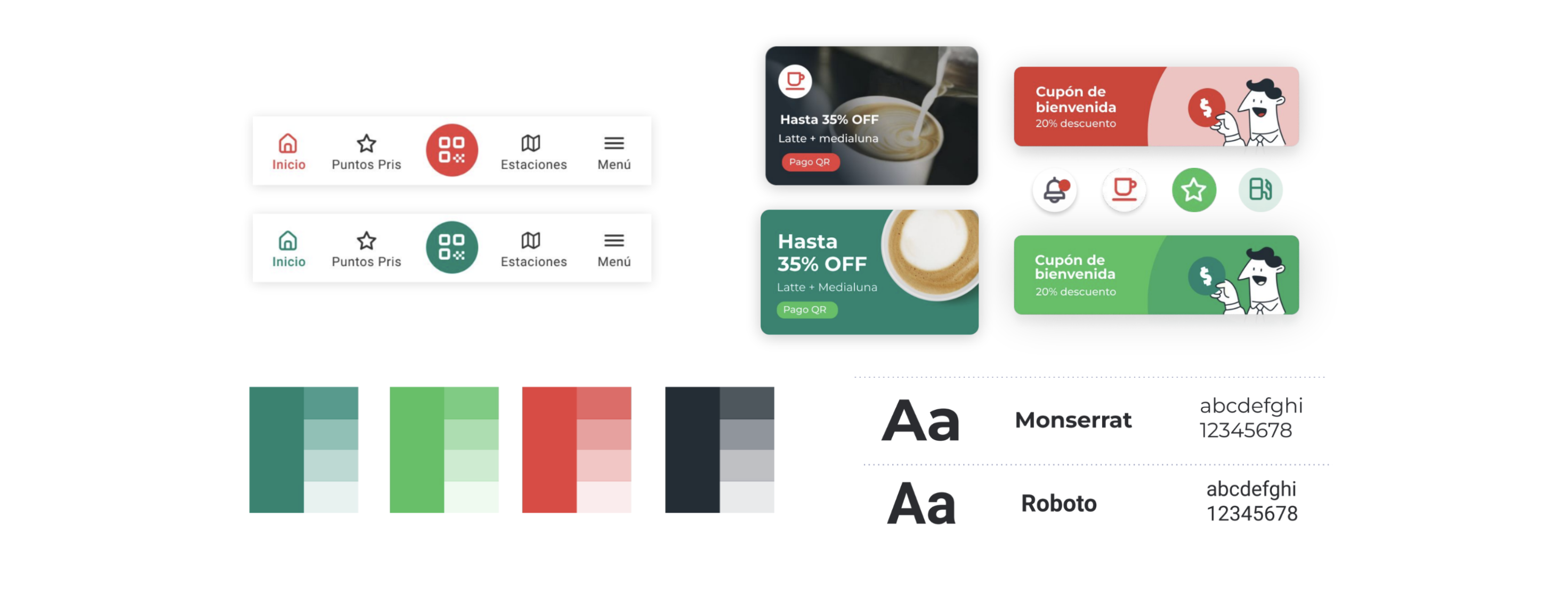
We explored different design approaches for the app, each including a moodboard, a style tile, and an example of how that style could be reflected in the real product.


The final Figma file acted as a single source of truth — a comprehensive UI Kit with reusable components, variants, states, and visual guidelines.

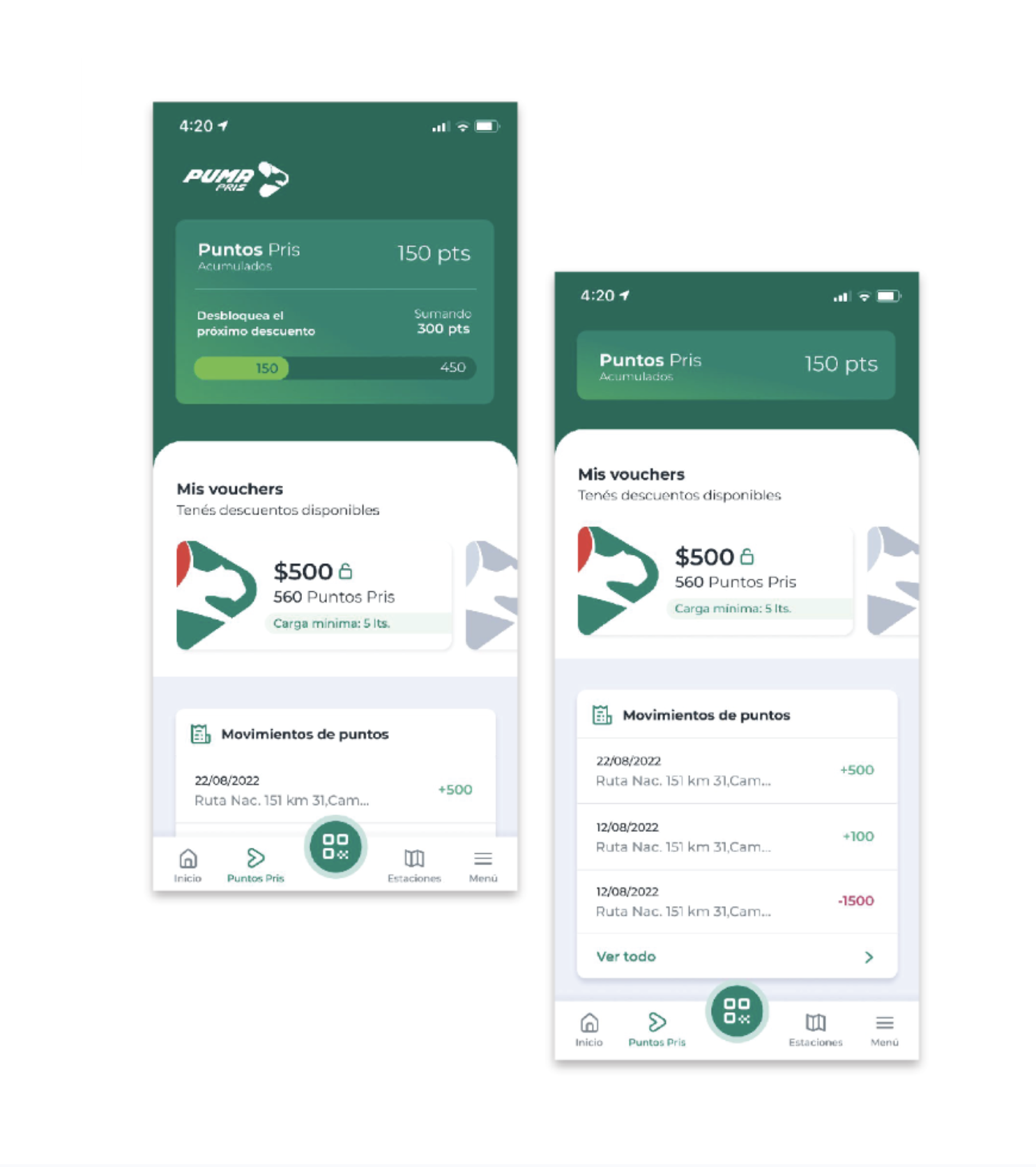
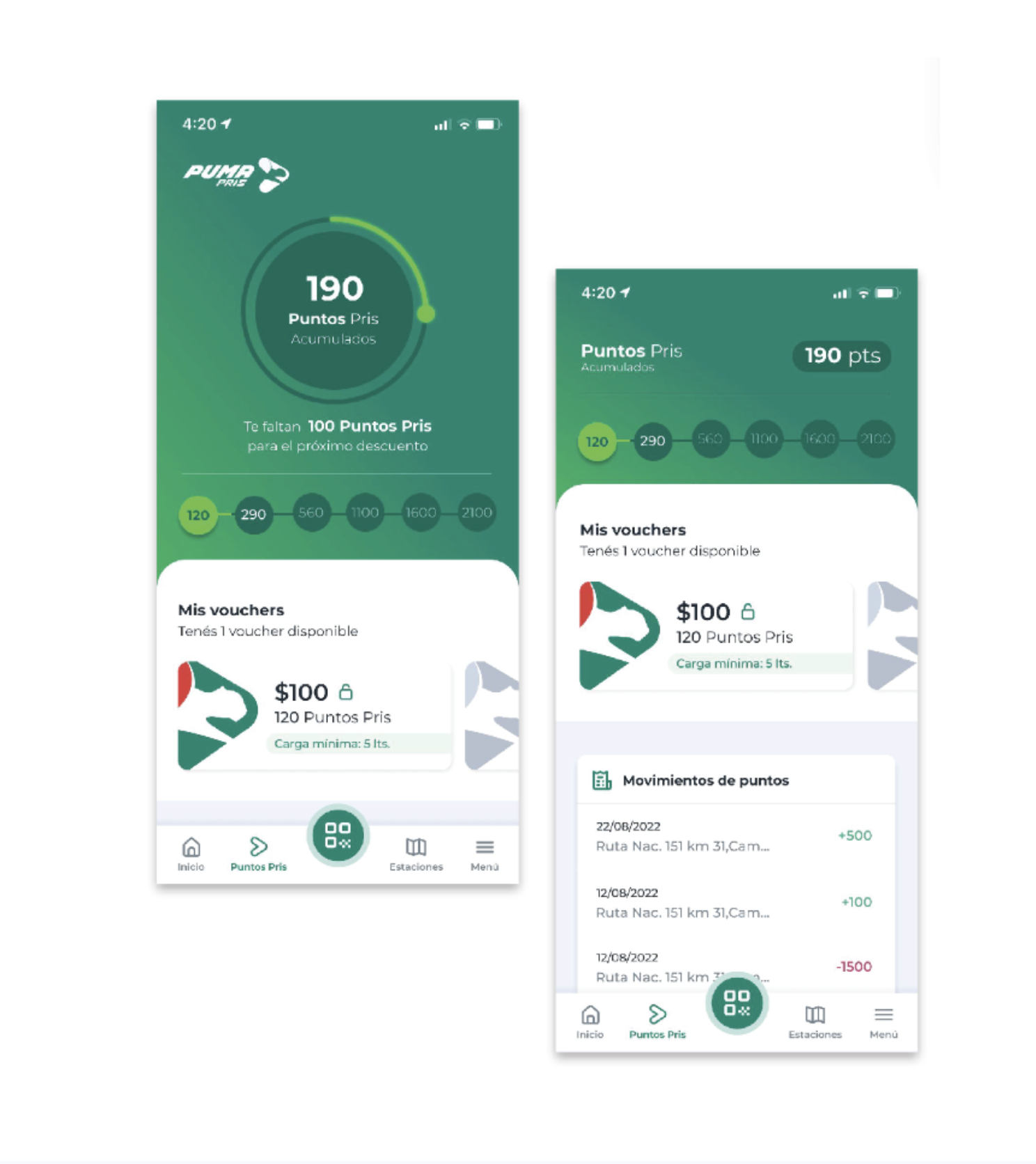
Through guerrilla testing with 5 users across 3 proposed versions, we explored how each version communicated the Pris Points rewards program.


“I see everything as gamified — the accumulation of little points, like leveling up.”
— Andrés, usability testing participant
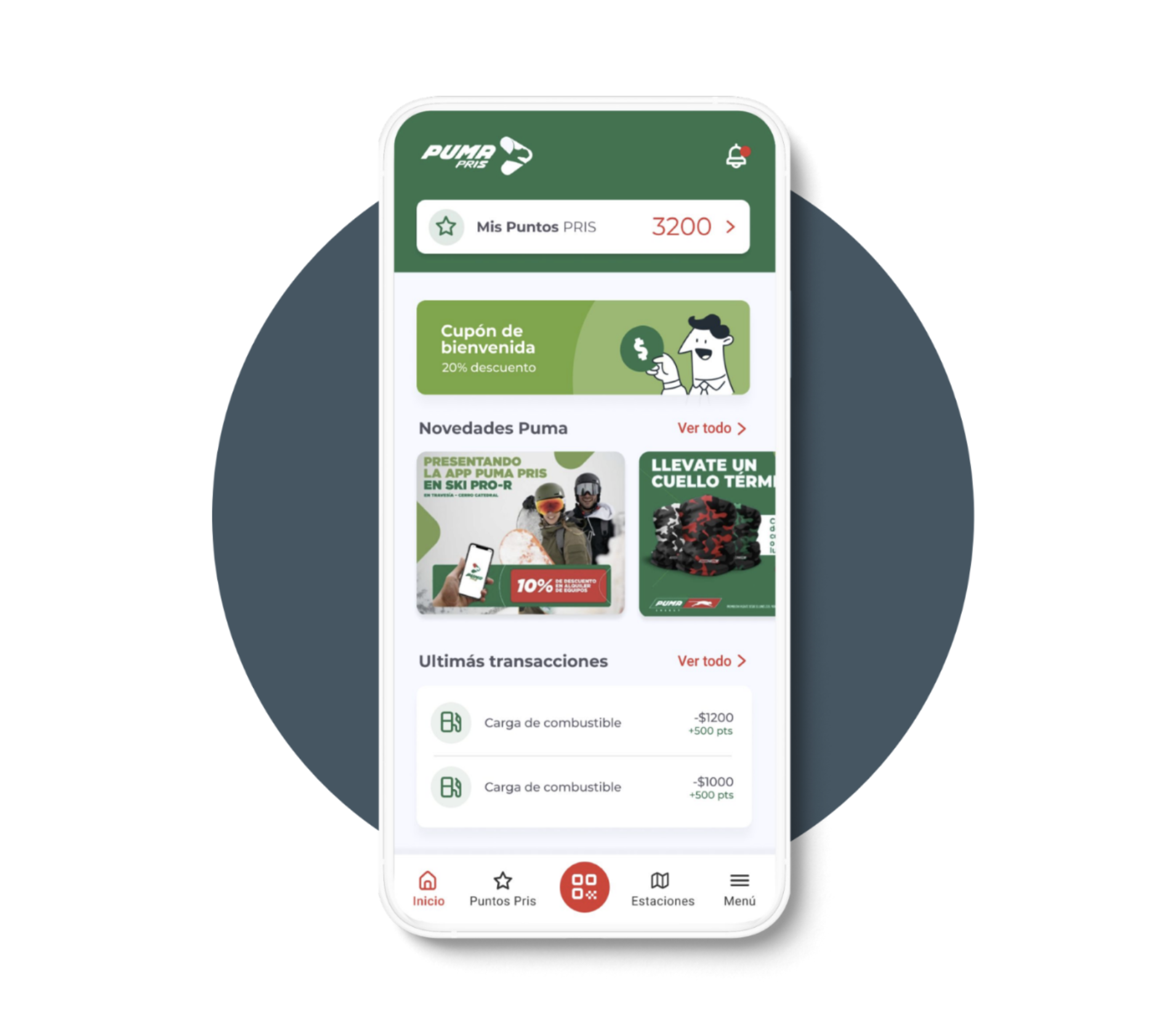
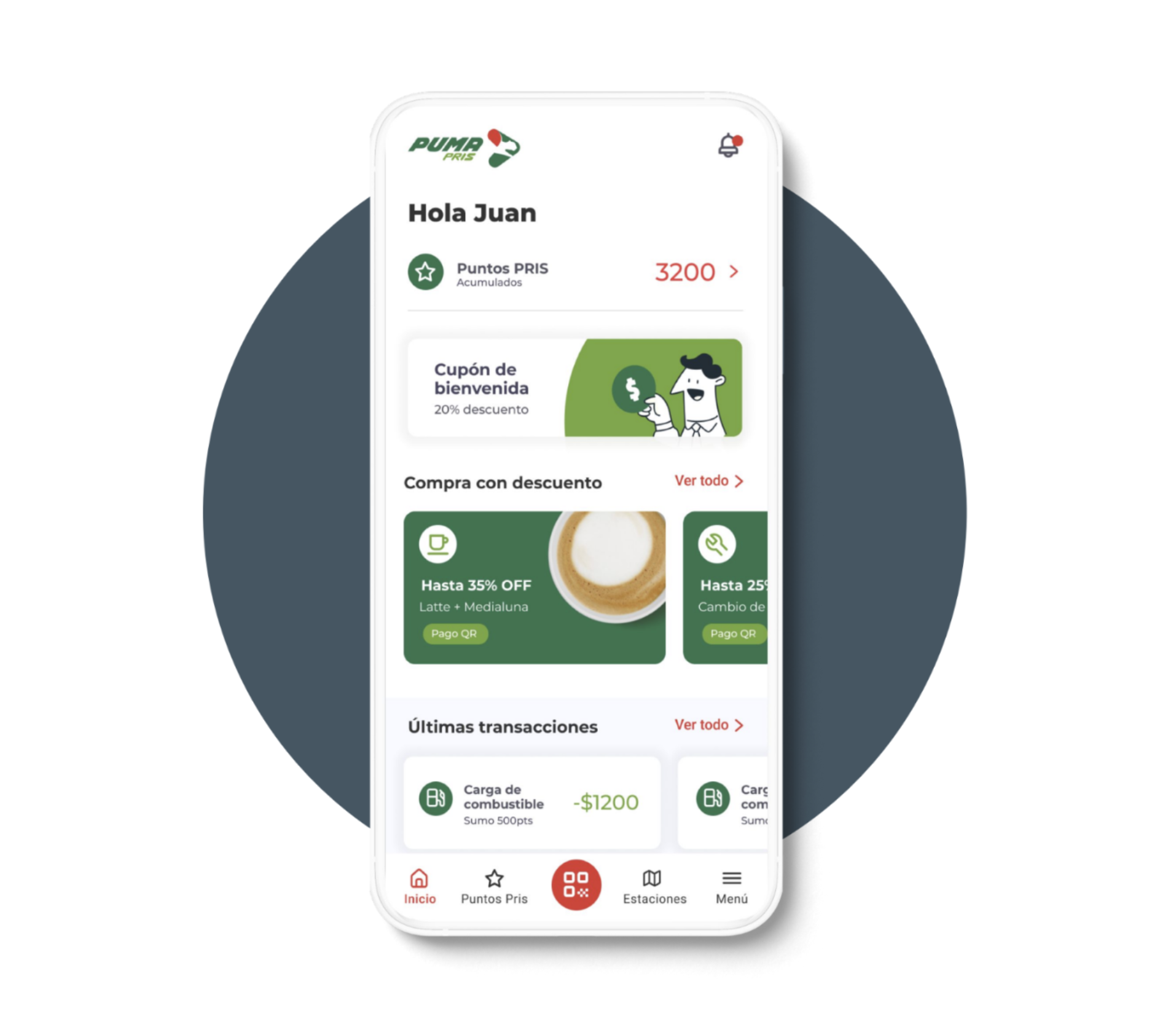
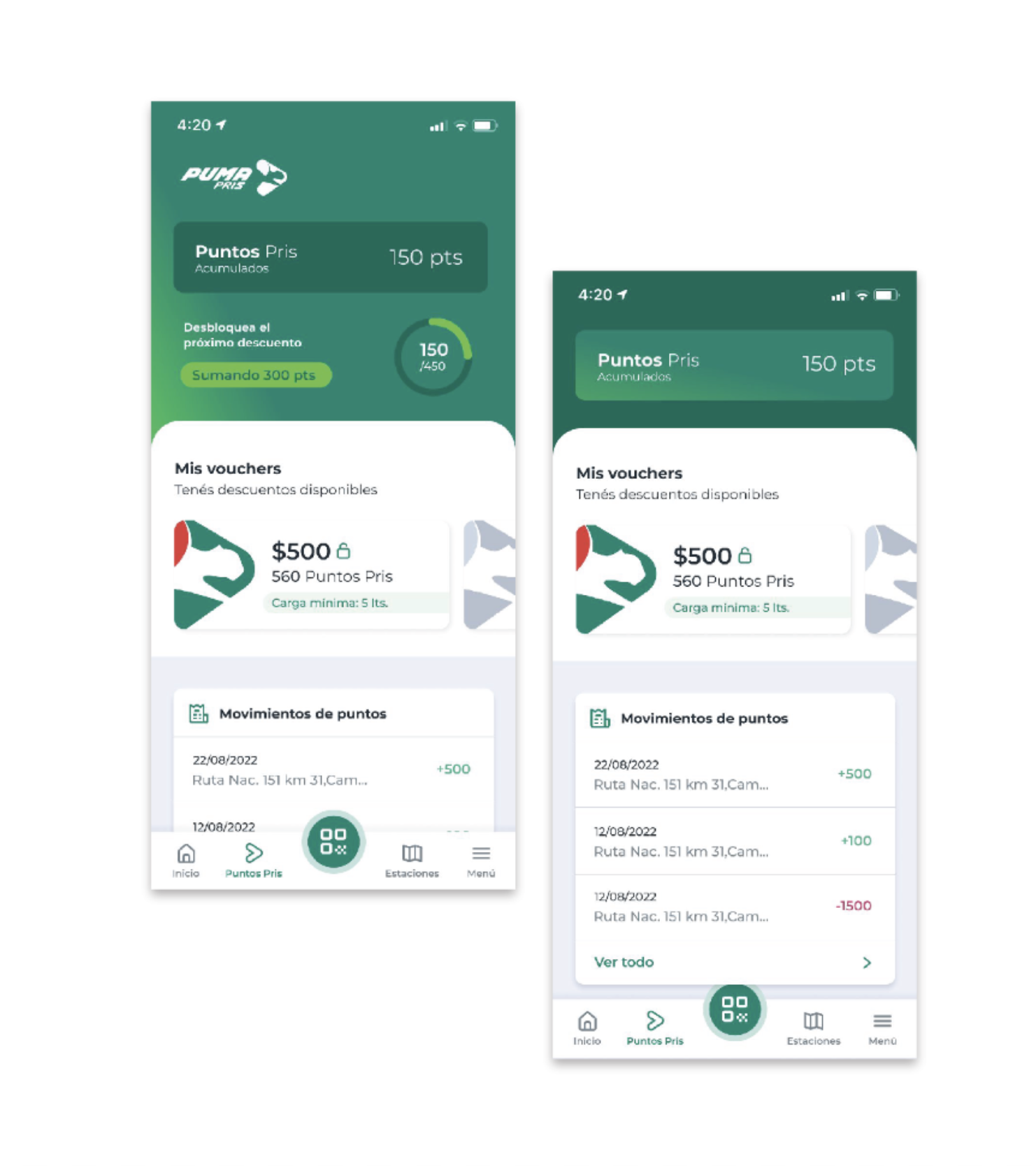
These screens show the finished experience currently used by customers — the Home screen, the Pris Points flow, and Purchase History.


Puma Energy operates in various countries where the figure of the gas station attendant isn't found everywhere. Panama required adapting the product with demanding UX writing and rethinking how users self-serve. This feature is currently in beta and not yet fully defined.
Reduced friction in the payment confirmation step.
Fewer support tickets related to transaction errors.
Improved task clarity in usability testing.
By grounding every decision in real user behavior and testing it with stakeholders and station staff, PUMA PRIS turned a friction-heavy process into a faster, more secure and more rewarding everyday experience.
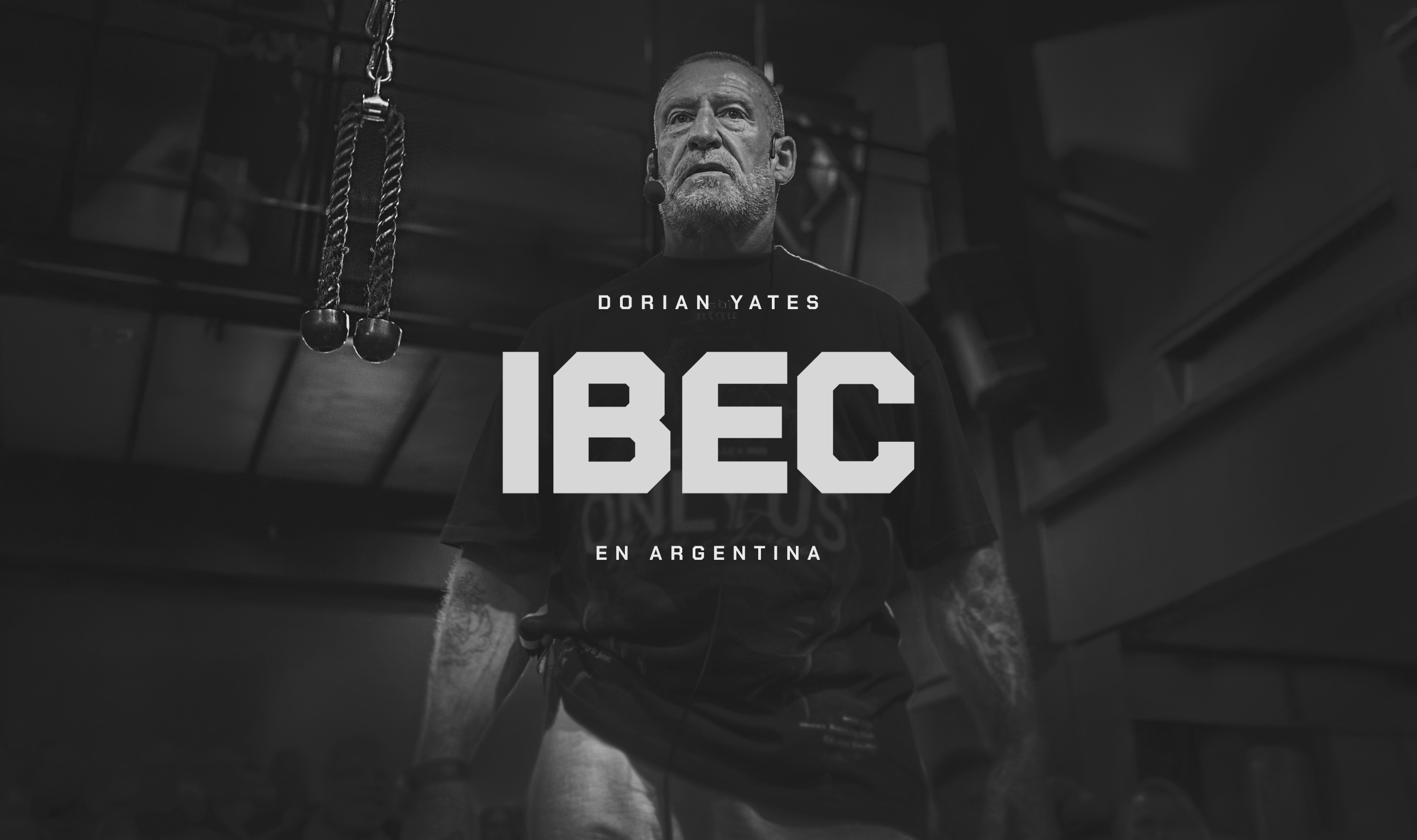
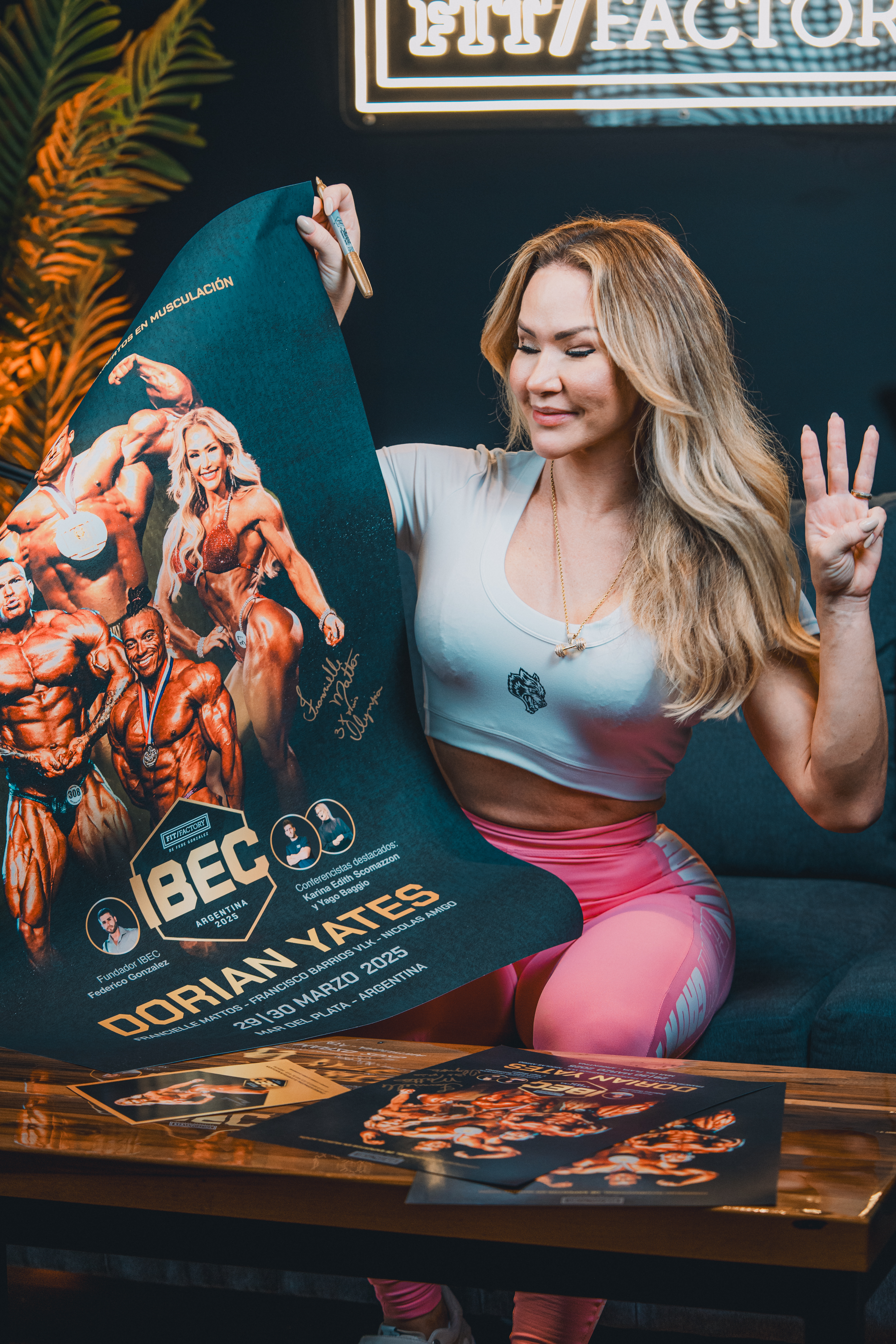
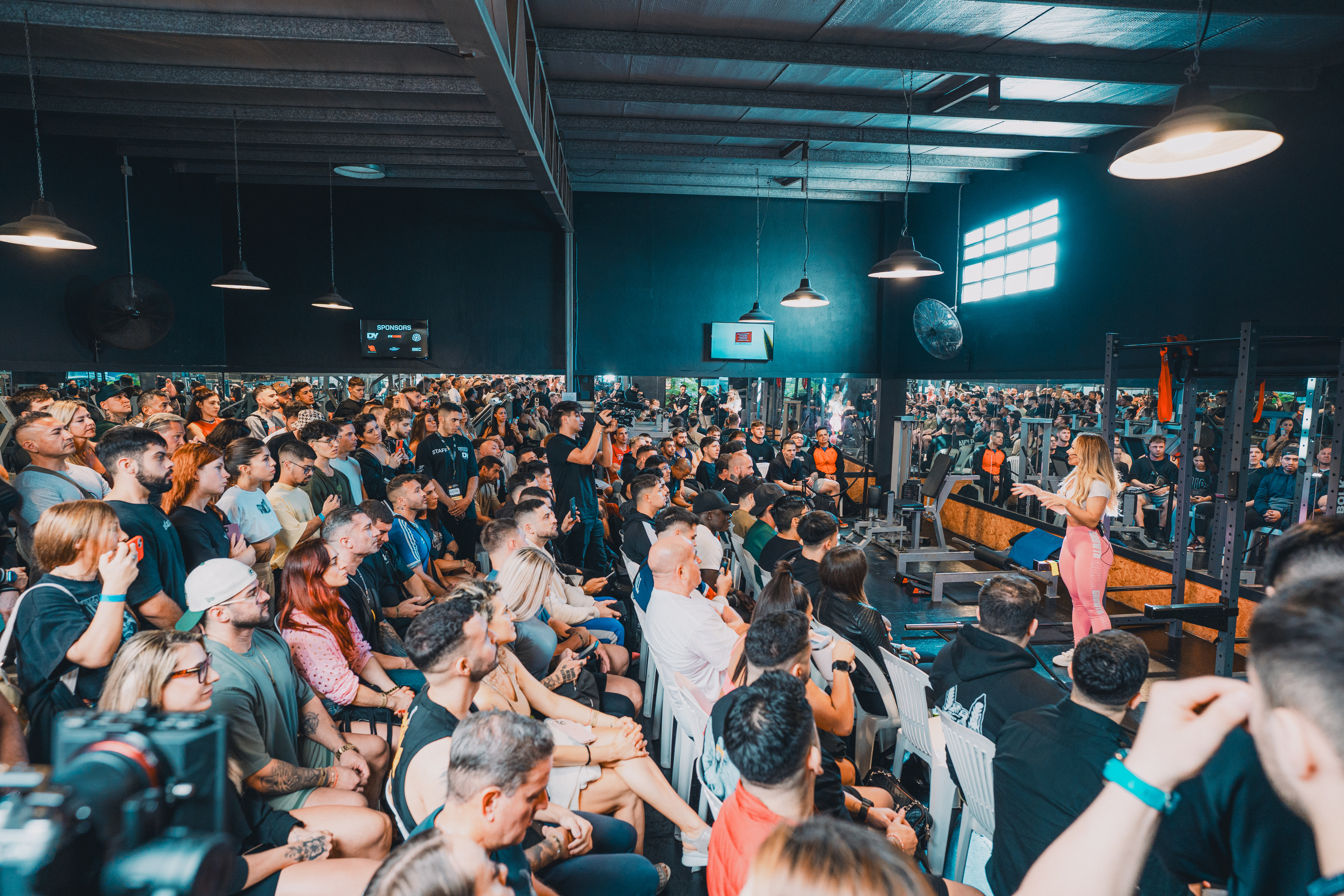
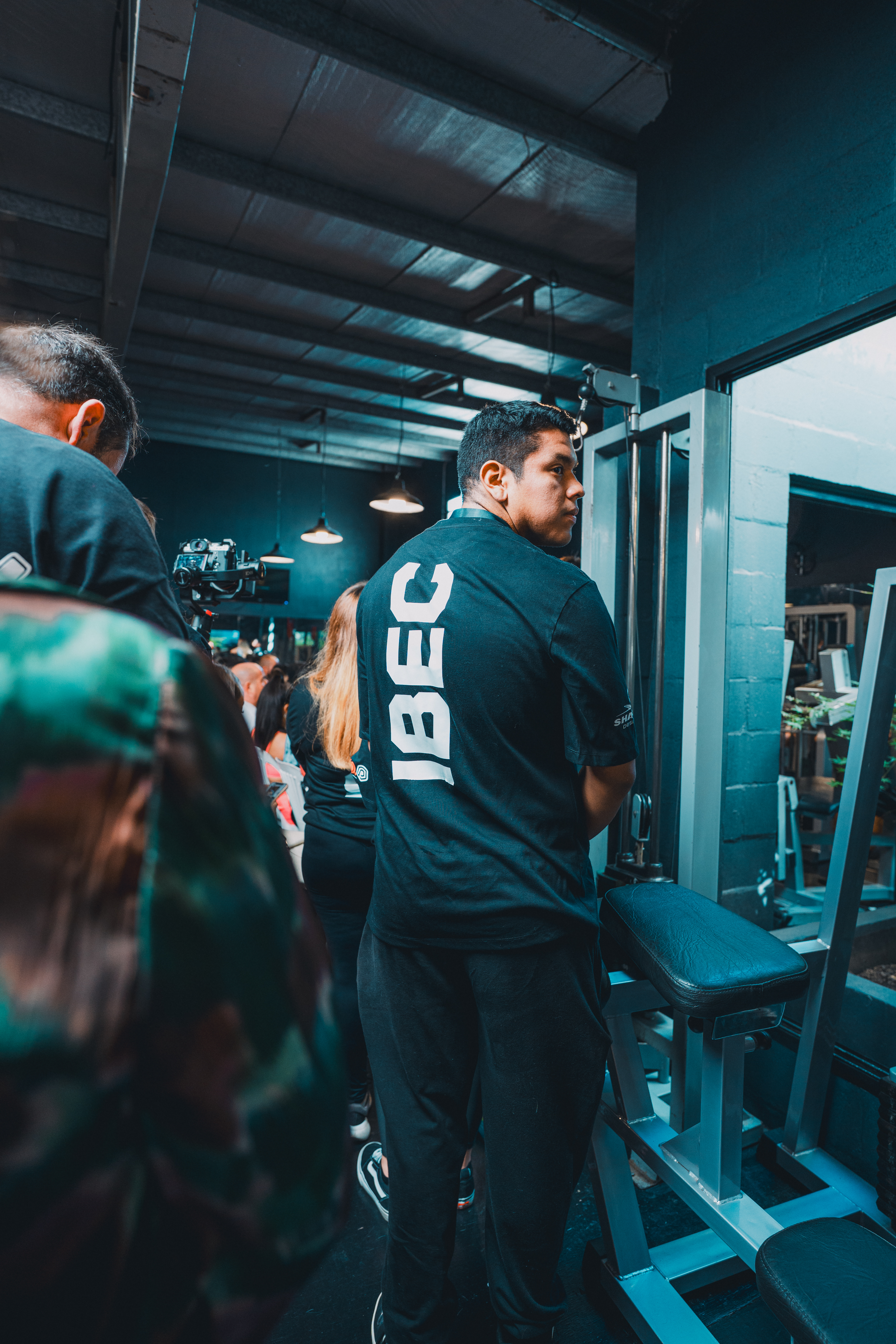
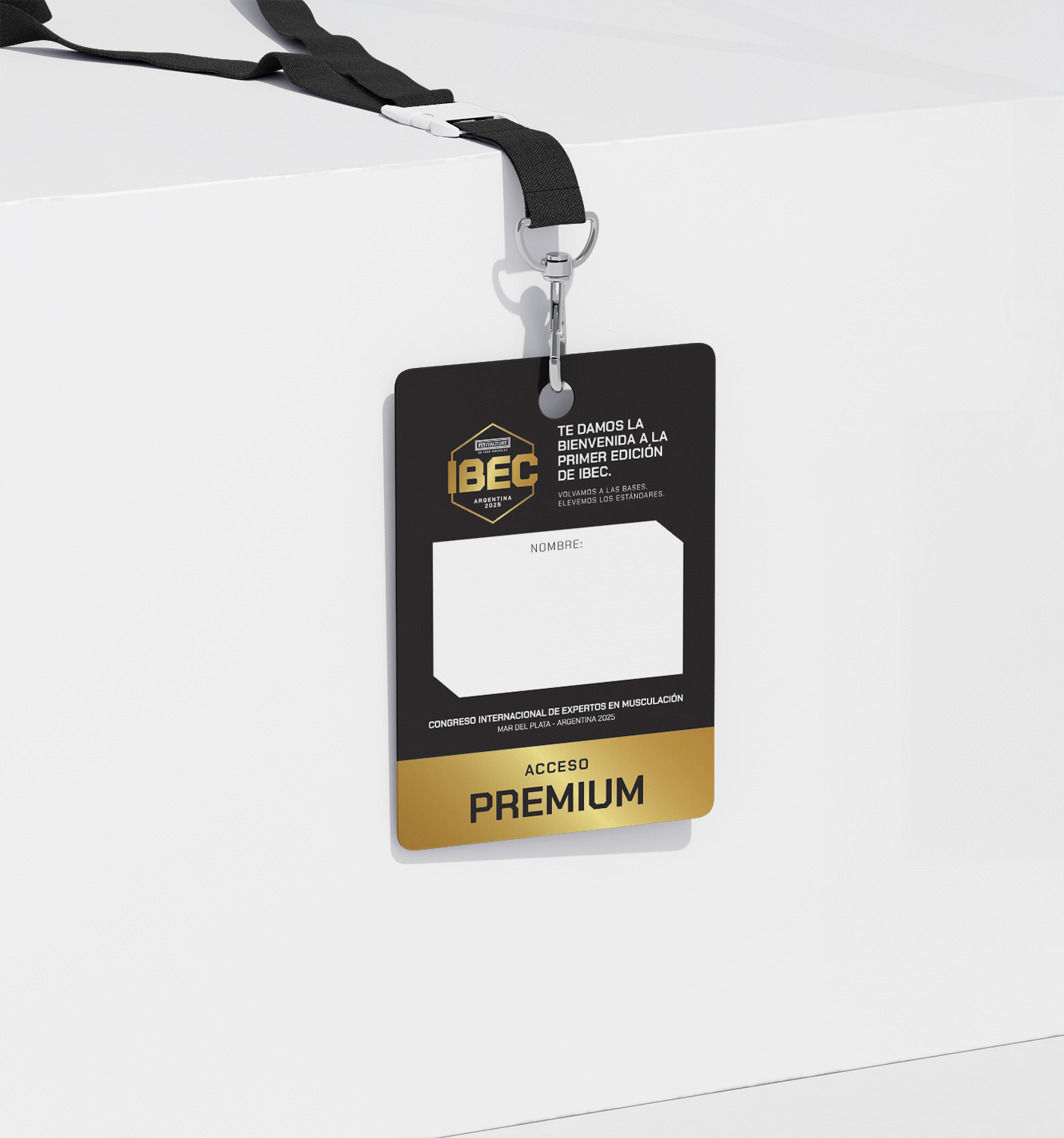
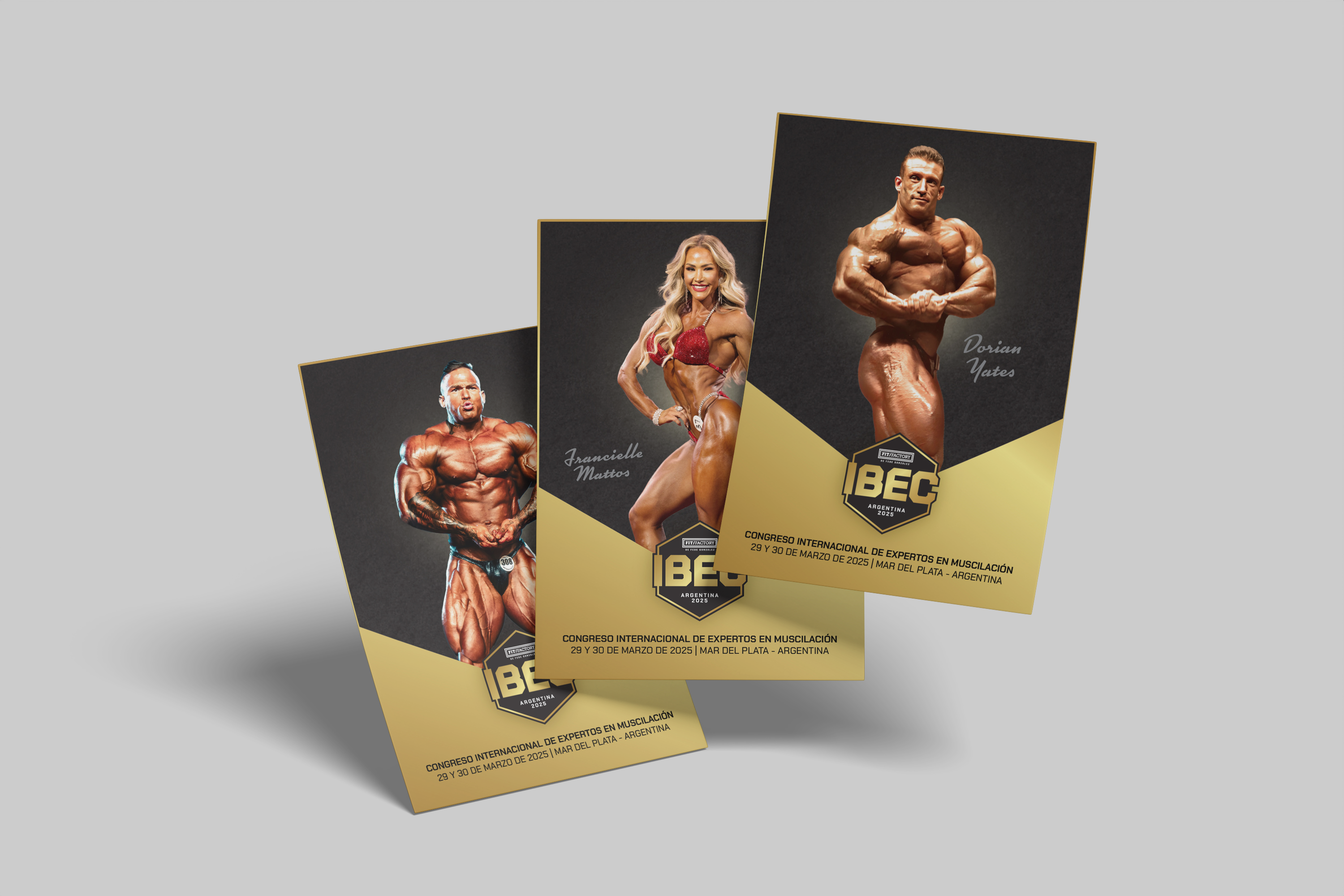
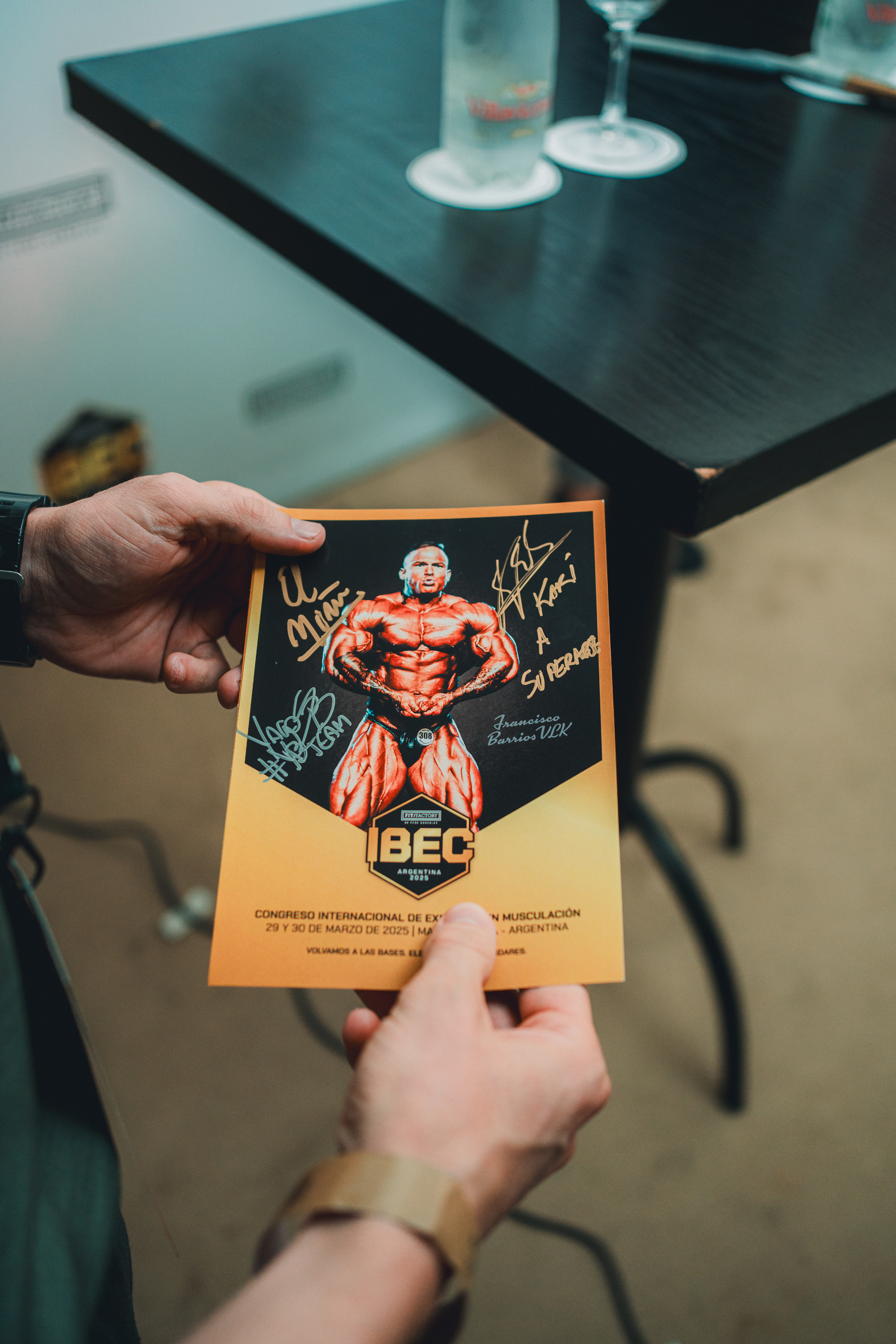
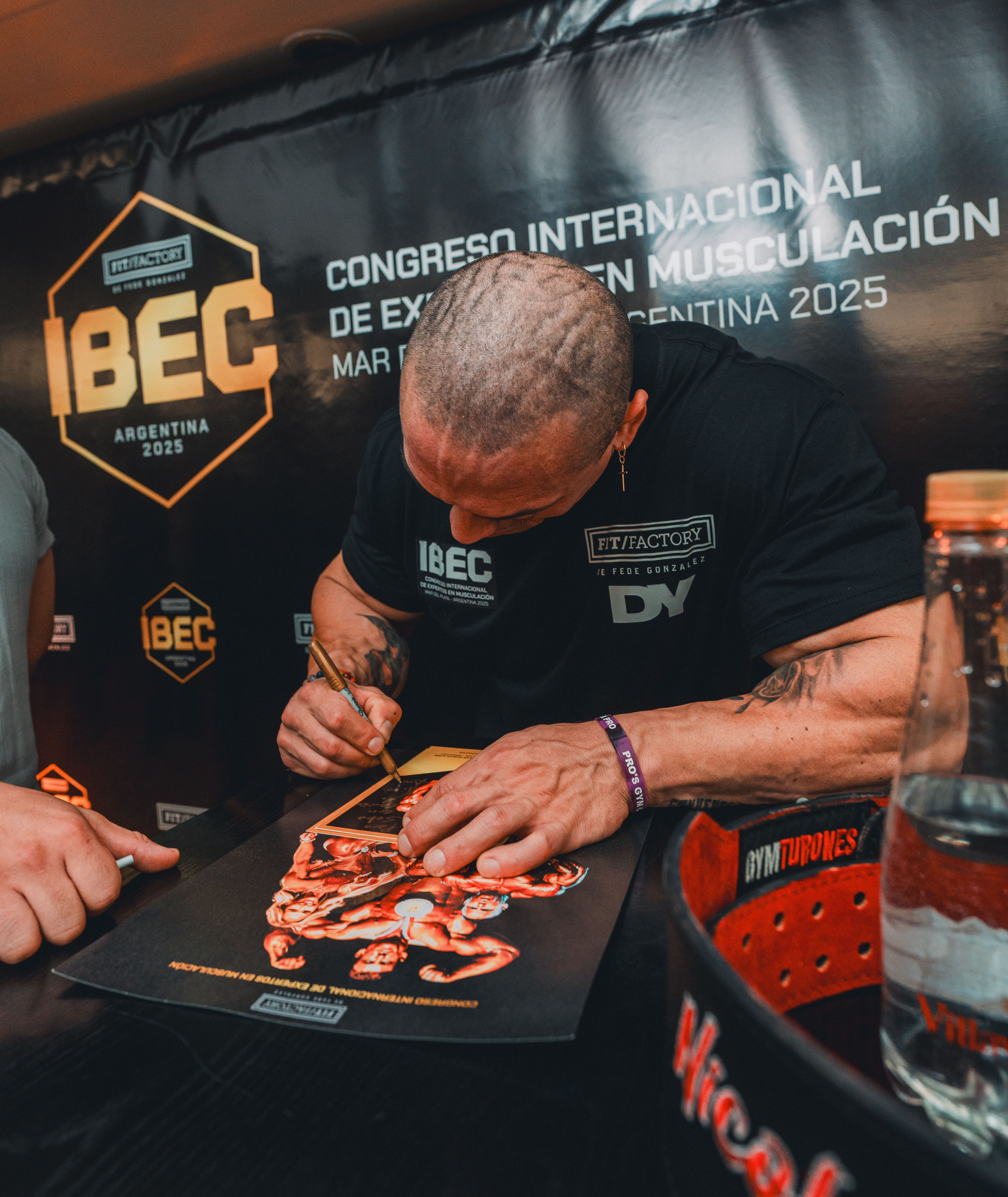
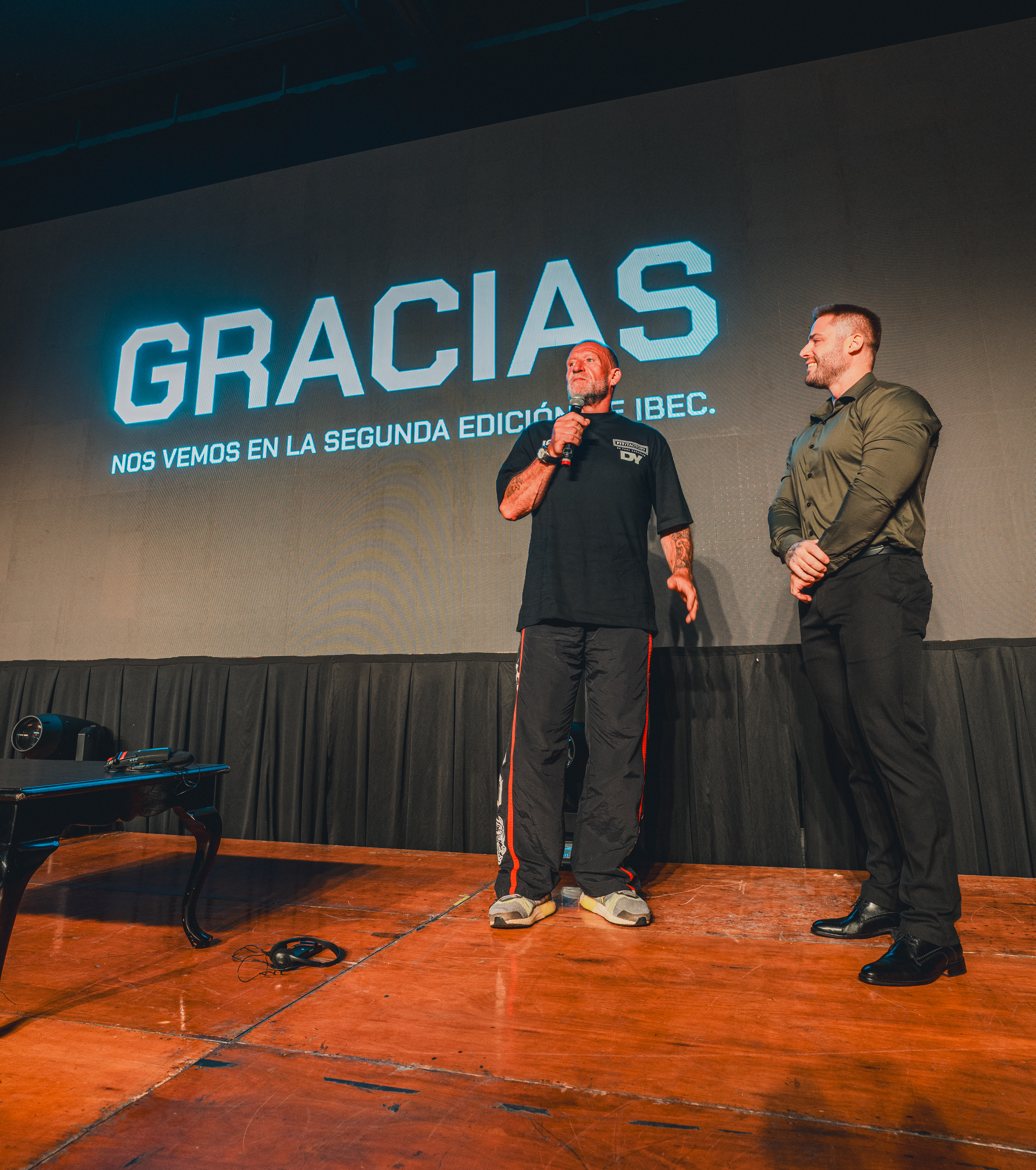
IBEC is one of the leading international events focused on bodybuilding, performance and education.


IBEC had built a strong reputation through its speakers and educational content. However, communication across channels lacked consistency.
Defining a unified narrative across all channels.
Structuring information for multiple audiences.
Creating alignment across communication assets.
Strengthening engagement before and after the event.
How do you create a single communication system capable of representing dozens of experts, multiple audiences and an international event experience?


Unified communication across channels and audiences.
Greater consistency in messaging and brand perception.
Scalable foundations supporting future editions of the congress.
IBEC demonstrated that communication is not simply about promotion — it is the infrastructure that connects audiences, speakers and experiences.
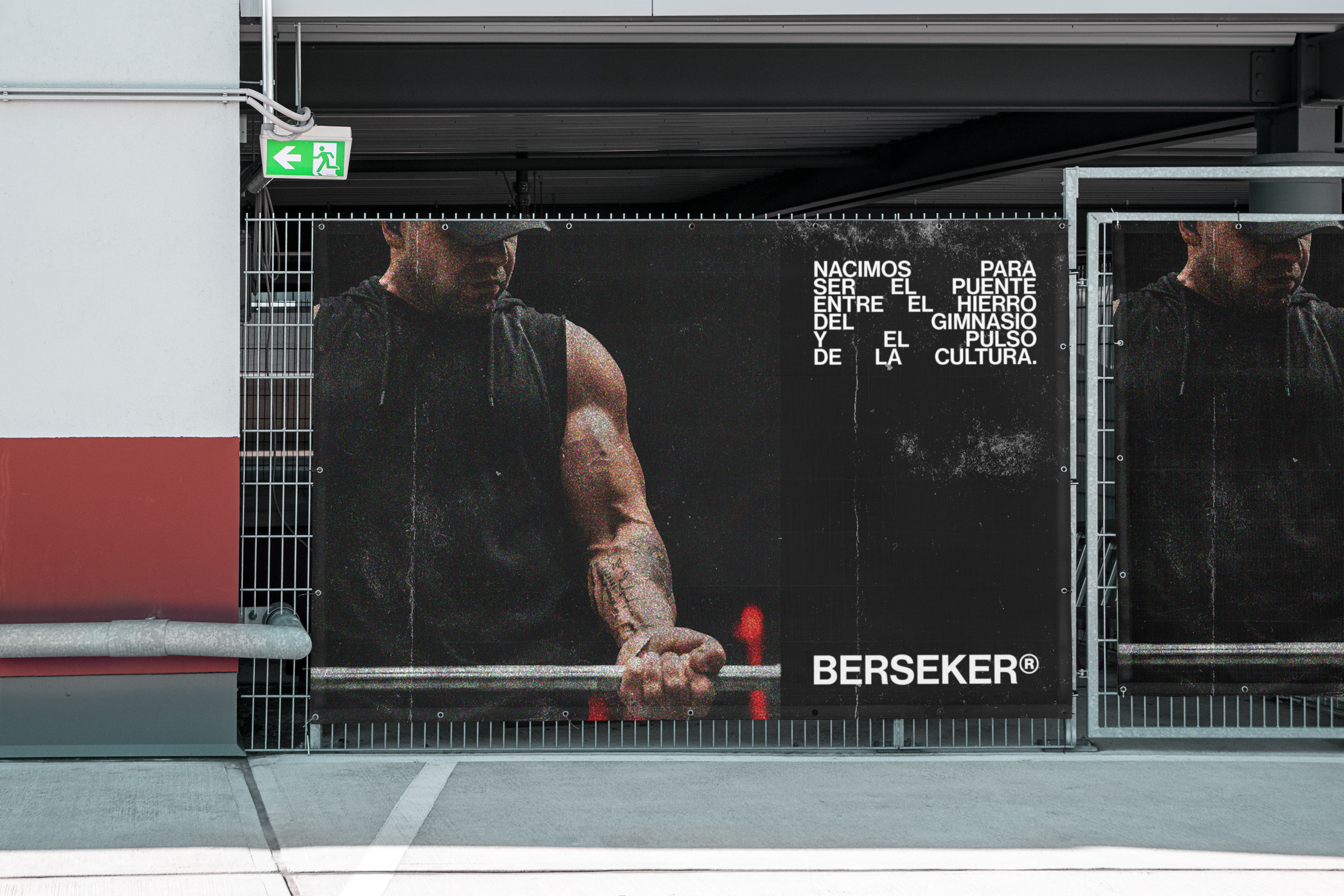
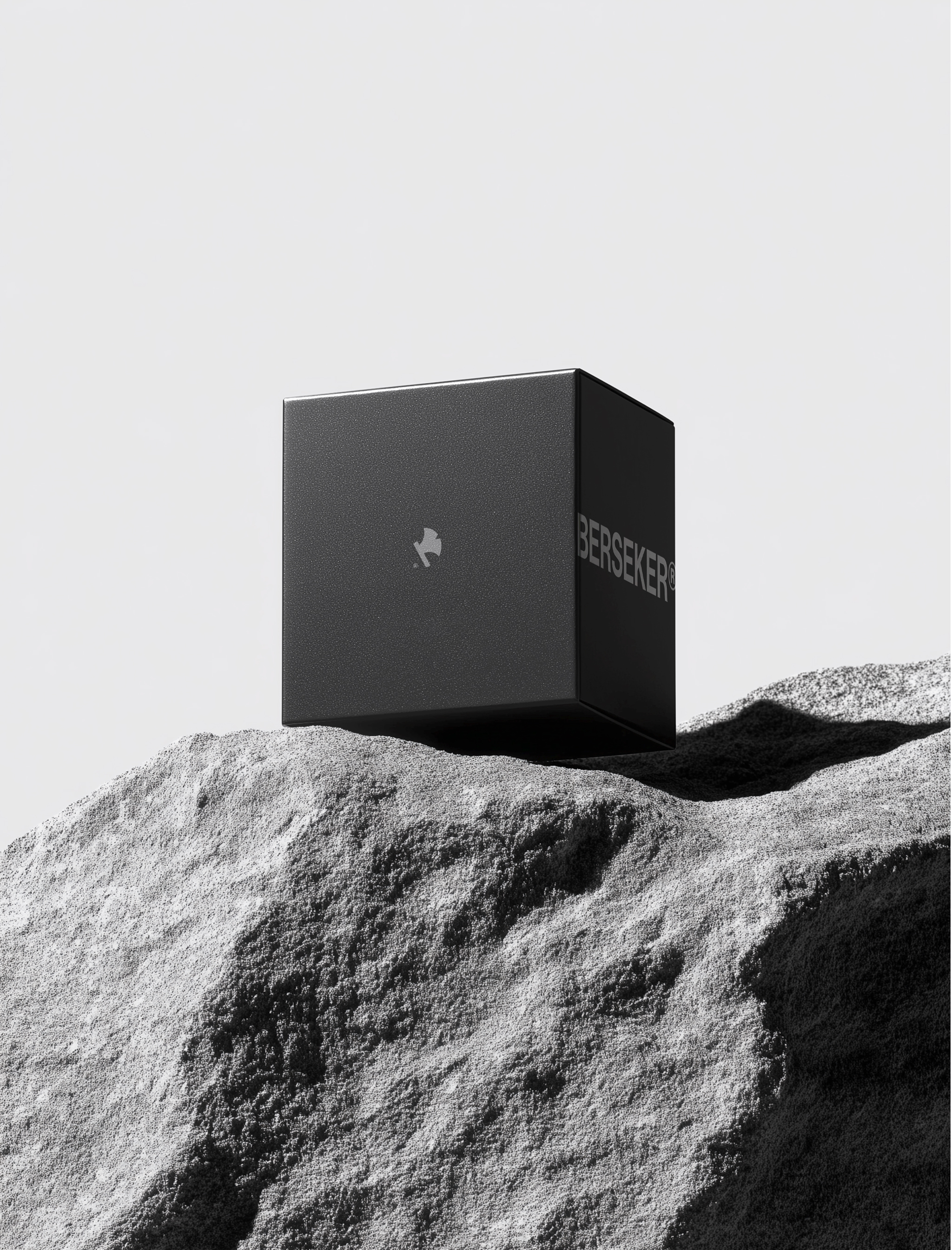
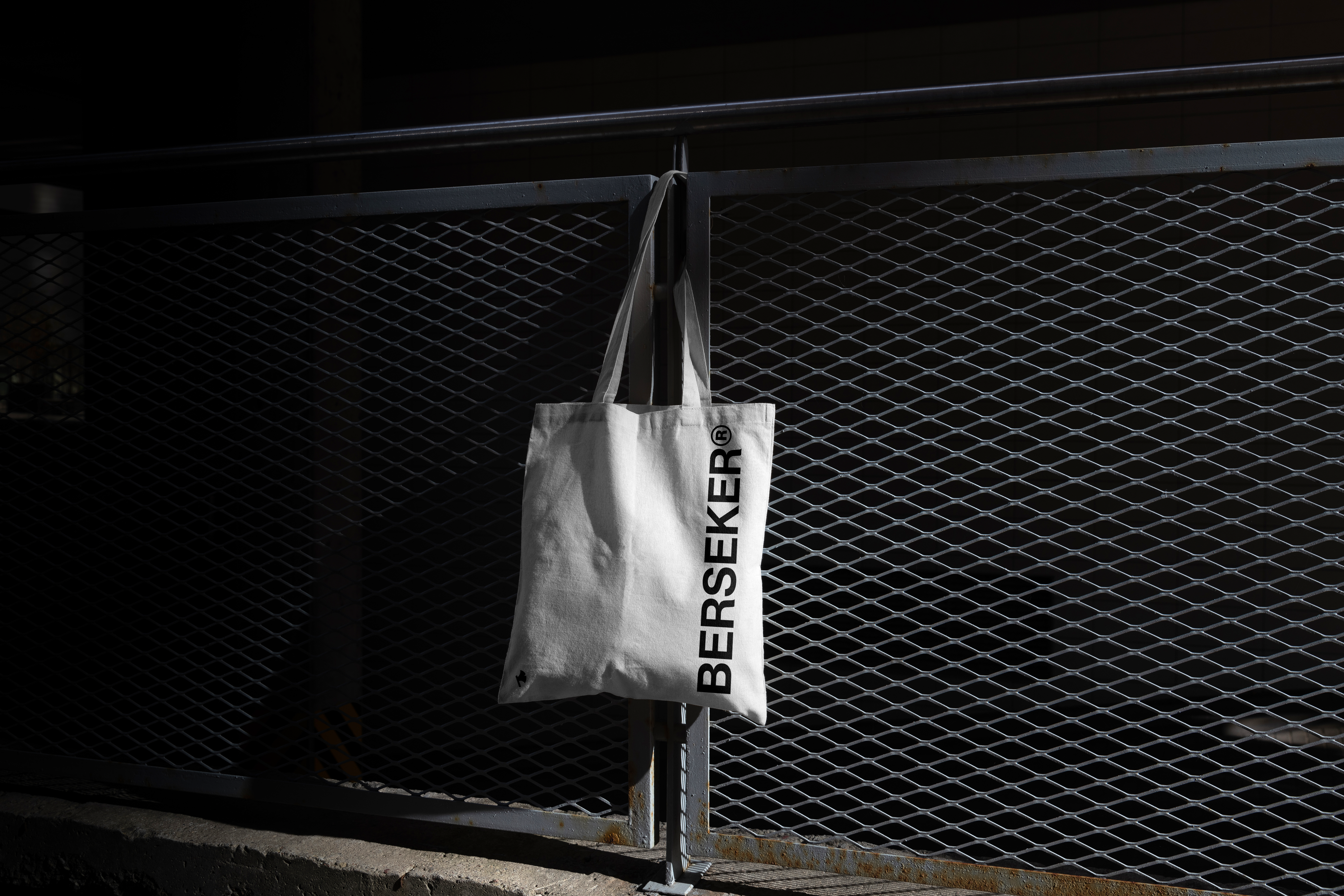
Berserker was born from the opportunity to create a stronger connection with the new generation of urban athletes.


The athletic apparel market is saturated with products competing through complexity and constant novelty. Berserker identified an opportunity to focus on essentials.
Defining positioning and audience alignment.
Building a bold yet adaptable brand system.
Developing the essential collection architecture.
Creating consistency across every touchpoint.
How do you create a collection that feels essential enough for daily life while remaining aspirational for athletes?


Clearer positioning around everyday performance.
More cohesive relationship between brand and product.
Scalable foundation for future collections and growth.
Berserker demonstrated that product design and brand identity become significantly more powerful when developed together.
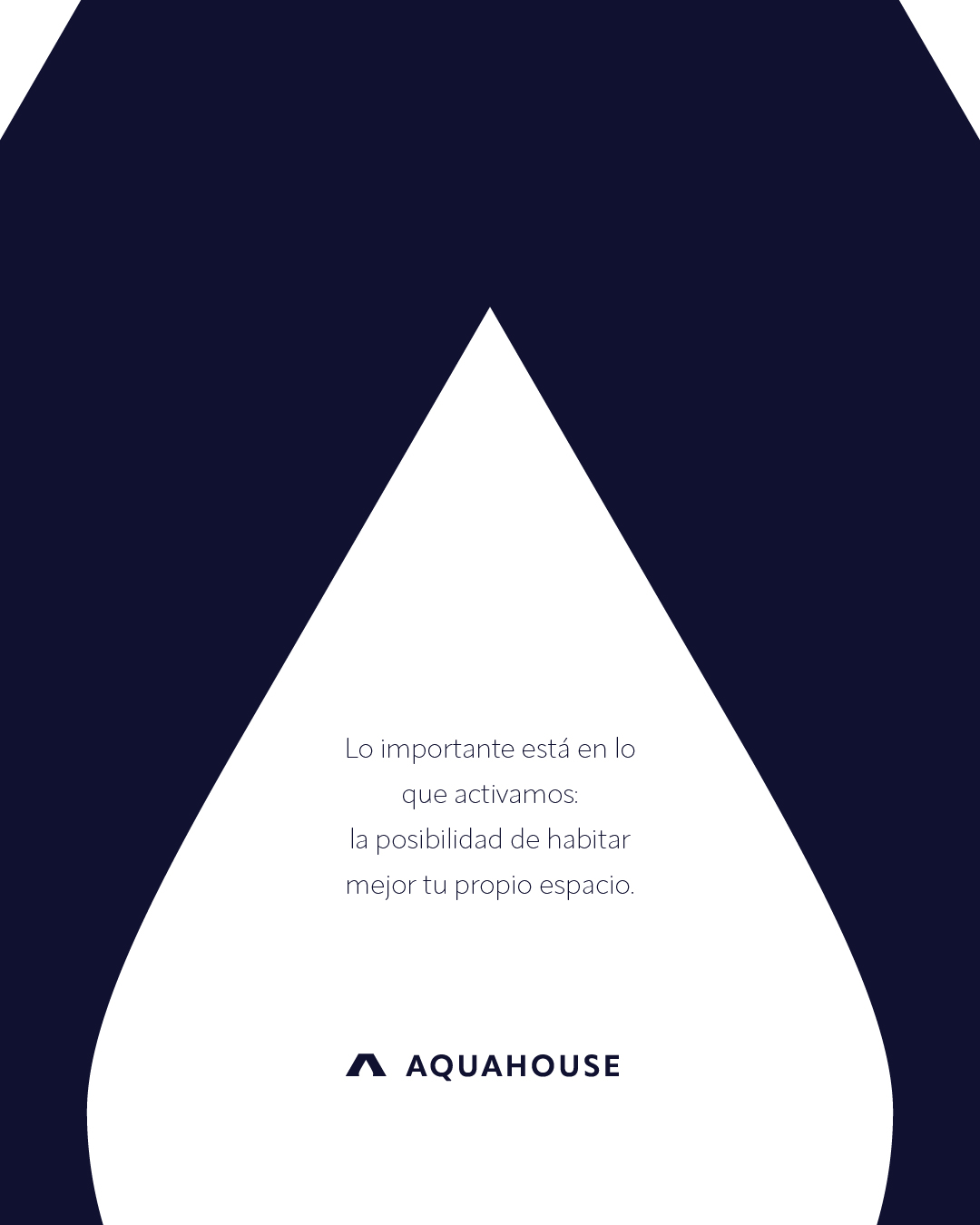
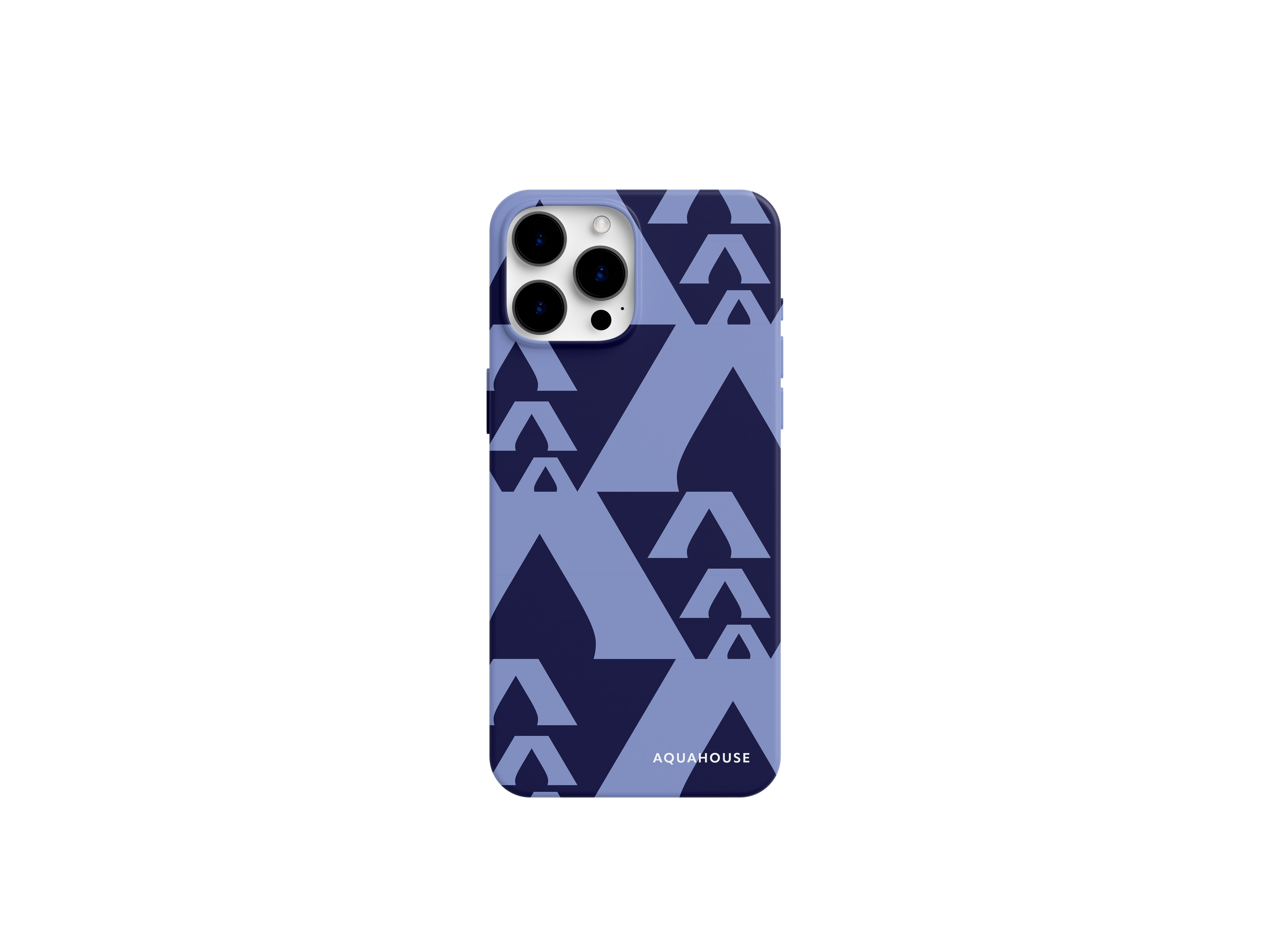
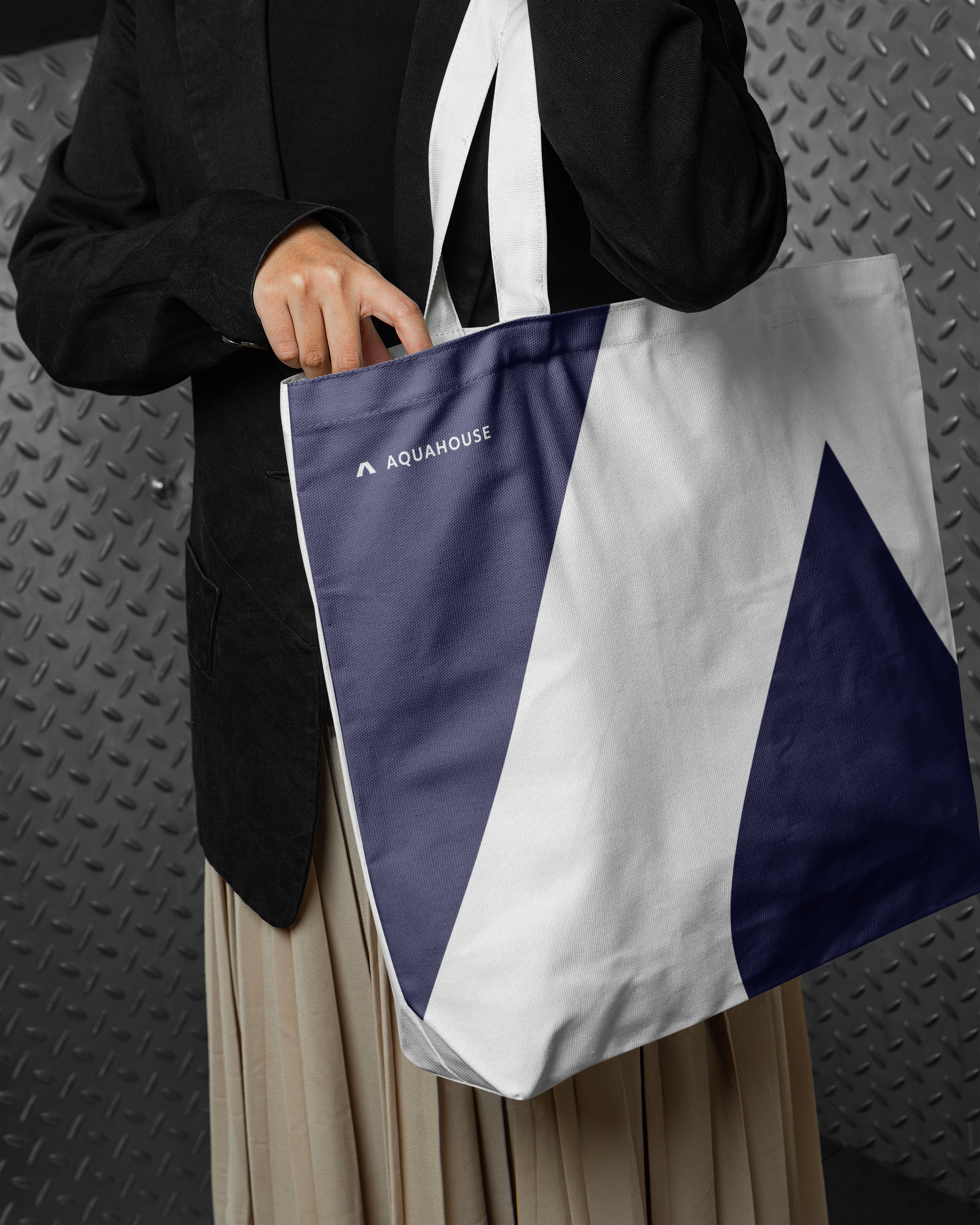
Aquahouse needed a visual and strategic system capable of communicating professionalism, cleanliness and experience.


In categories related to home services, trust becomes one of the most important competitive advantages.
Clarifying positioning and value proposition.
Creating a cleaner and more professional image.
Establishing consistency across channels.
Strengthening trust throughout the customer journey.
How can a brand communicate trust, cleanliness and expertise before a customer even experiences the service?


More professional and trustworthy brand presence.
Greater consistency across communication channels.
Clearer differentiation within a competitive market.
Aquahouse demonstrates how brand identity can become a strategic asset.
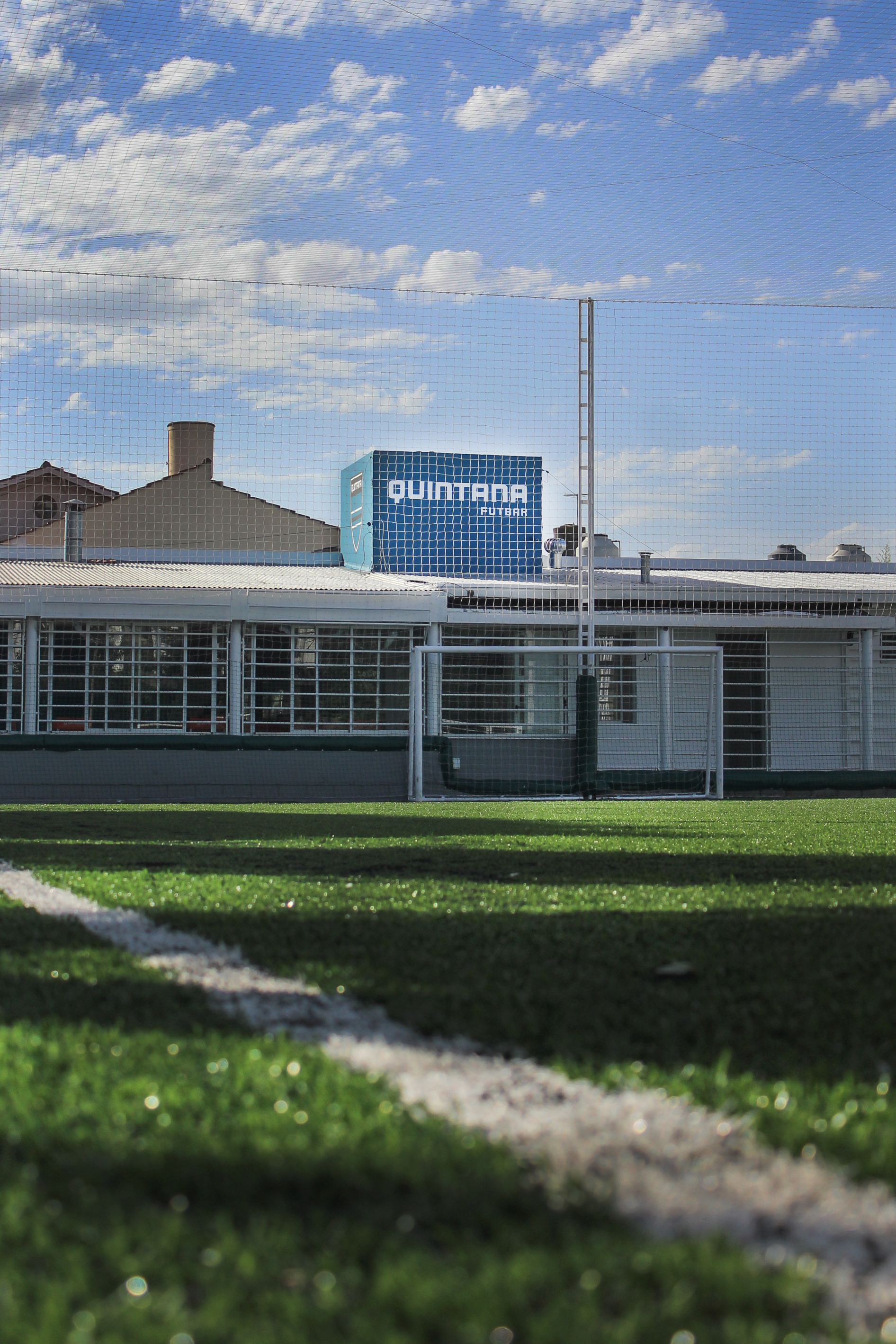
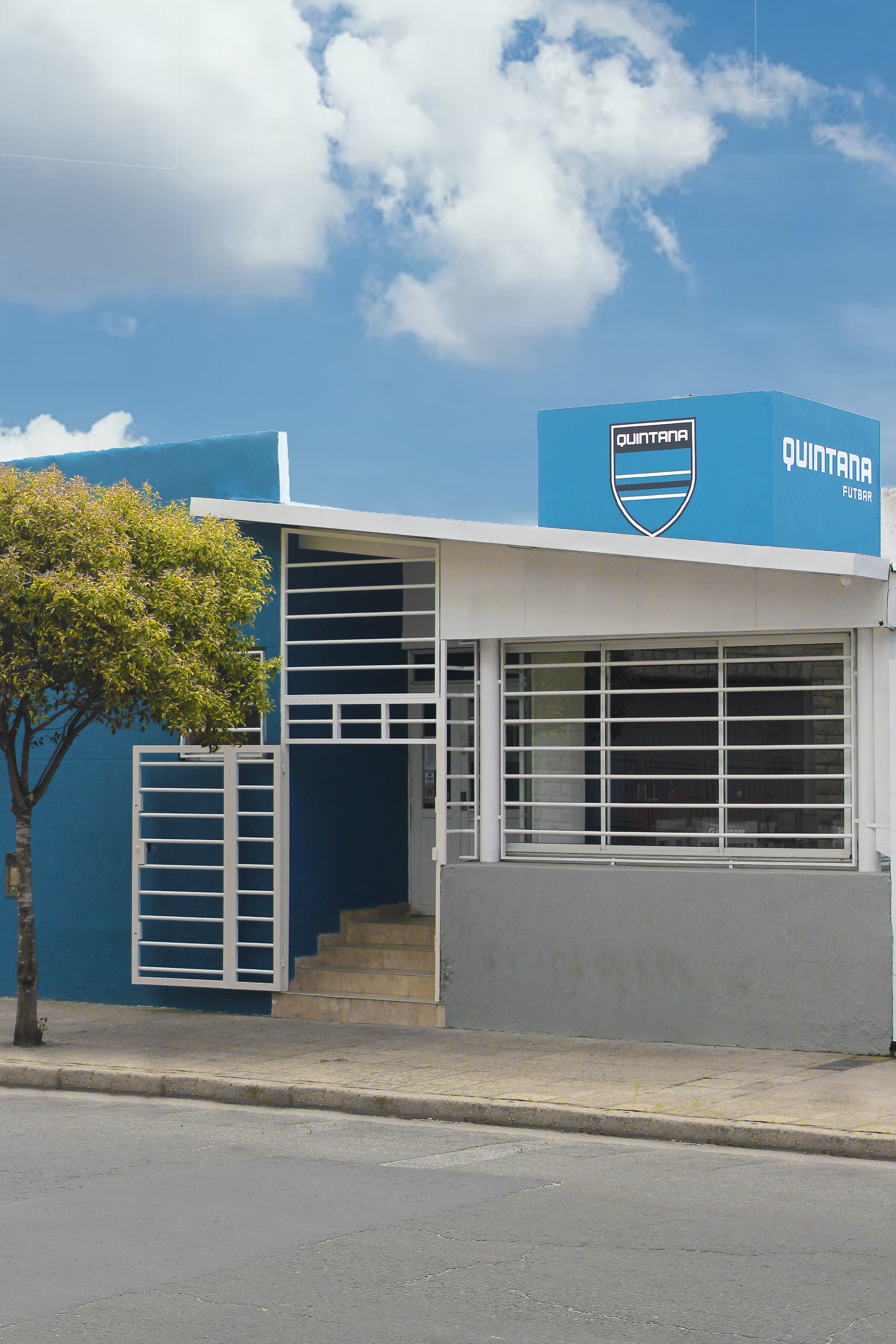
Quintana is more than a football venue. It is a meeting point for young players, friends and local communities.


The existing venue provided the infrastructure for amateur football, but lacked a distinctive identity capable of fostering emotional connection.
Creating a recognizable and memorable visual system.
Transforming the physical experience of the venue.
Strengthening belonging among players and visitors.
Designing moments beyond the football field.
How do you transform a football venue into a place people want to belong to, not just play in?


More recognizable and cohesive brand perception.
Improved physical experience across the venue.
Greater emotional connection between players and community.
Quintana demonstrated how design can extend beyond visual identity to shape culture and belonging.
Scouts, agents and sporting directors made transfer decisions by jumping between individual player profiles, one at a time. This case study walks through how we rebuilt Comparativa into a single panel.


Every case study I document follows the same ten-step methodology.
Comparativa already existed as a 1-vs-1 tool. The kick off questioned whether that model still matched real decision-making.
Decision-makers alternated between individual profiles to build a mental comparison — slow, and hard to justify.
Research mapped five distinct roles, each with a concrete comparison need.
The As-Is tool capped comparisons at 2 entities with no mixed types — context was always a separate step.
How might we let users combine up to four mixed entities in one view, without switching screens?
Success meant measuring the drop in time-to-conclusion, not just shipping a new UI.
Three always-present compatibility rows keep every card the same height, even when a metric doesn't apply.
A joint review validated a 40% threshold and turned ambiguous edge cases into explicit states instead of silent gaps.
Desktop shipped with tiered access by plan; mobile is in active design with a dedicated responsive pass handed off to dev.
What's next is being defined with Sales and Product: plan quotas, presets, and scoping 'Smart Match'.
Compares 2–3 candidate players for a position before recommending a signing.
Compares a target player against a league or club average to validate market fit.
Compares their represented player against direct competitors to present a clear differential.
Evaluates whether a player fits the club's profile against the current starter.
How might we let a scout compare a player, a club and a league in the same breath — without the panel losing meaning?
Every card reserves the same three compatibility rows, so the layout never jumps as entities are added or removed.
Only calculated between players; highest score shown, with +N popover for the rest.
Bidirectional score between a player and any club or league in the panel.
Only available for the Club role.
Scores below the 40% threshold render as an explicit state — never hidden, never faked.
Up to 2 entities, then a locked screen.
50 comparisons of 2 entities, plus 1 of 3 entities.
100 comparisons of up to 3 entities, plus 5 of 4 entities.
Unrestricted access to every comparison feature.
Entities that can now be compared side by side, in any mix.
Distinct roles supported end-to-end, each with a documented use case.
Subscription tiers, turning a comparison limit into a clear upgrade path.
Scaling from 1-vs-1 to multi-entity isn't about adding slots — it's about deciding, row by row, what's signal versus noise.